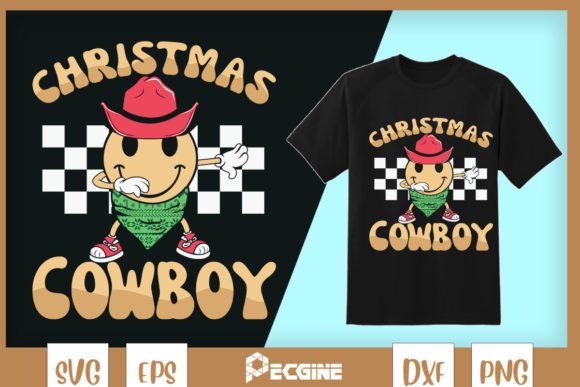
Christmas Cowboy Retro Smiley Face Review
As a designer who spends half my life zoomed into stitch charts and the other half haggling with thread tension, I don’t just look at an embroidery design; I stress-test it. I need to know if it’s going to look charming on a boutique sweatshirt or if it’s going to pucker up into a tangled mess after one wash cycle. That is exactly how I approached Christmas Cowboy Retro Smiley Face. This isn’t just another clipart file dumped into a folder; it’s a specific aesthetic choice that carries weight in the current handmade market. Here is my honest breakdown of how this design performs when you move it from screen to hoop.
The First Impression: Nostalgia Meets Western Charm
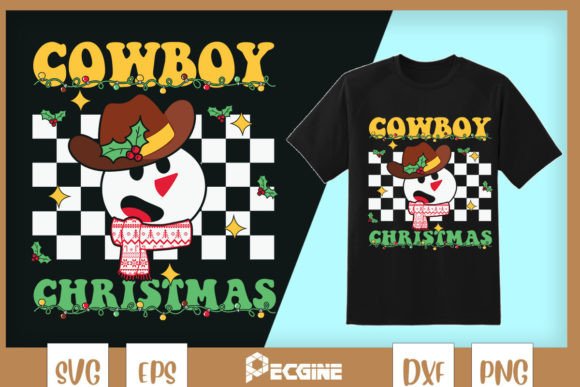
When you first load Christmas Cowboy Retro Smiley Face into your digitizing software, the visual personality hits you immediately. It bridges two distinct worlds: the cozy, chaotic energy of holiday nostalgia and the rugged, laid-back vibe of retro western wear. The "retro smiley" element suggests a 70s-inspired color palette—likely mustard yellows, burnt oranges, and faded teals—while the cowboy theme adds a layer of character that feels curated rather than generic.
For designers building a brand identity, this is gold. It doesn’t scream "mass-produced Christmas ornament." Instead, it whispers "handmade gift from a cool local shop." The mood is playful but grounded. It works beautifully for crafters who want to avoid the cliché red-and-green overload while still capturing the festive spirit. If you are looking to create a cohesive collection of holiday embroidery designs that feel modern yet timeless, this piece fits right in.
Real-World Application: Where This Design Shines
I put this design through its paces by imagining it on various substrates. The versatility of Christmas Cowboy Retro Smiley Face is its strongest asset. Because it comes as a complete package including SVG, PNG, DXF, and EPS files with transparent backgrounds, it is incredibly flexible for both digital and physical outputs.
Custom Apparel and Sweatshirts
This is the sweet spot. Imagine a heather grey or oatmeal-colored crewneck sweatshirt. Placing the sweatshirt embroidery slightly off-center on the chest creates an effortless, vintage band-tee look. The contrast between the soft fabric texture and the crisp lines of the design will pop. It’s the kind of item a customer buys not just for warmth, but for the statement it makes. For an Etsy seller, this is a high-demand niche: personalized, thematic apparel that feels unique.
Tote Bags and Aprons
Canvas tote bags are a staple for the craft business, but they are also prone to distortion if the design is too dense. Fortunately, the retro style usually relies on bold shapes rather than microscopic details. Using this as a tote bag design on a natural jute or sturdy cotton canvas gives it a rustic charm. Similarly, on a kitchen apron, it adds a touch of humor and warmth that makes a personalized gift feel thoughtful. It transforms a utilitarian item into a conversation starter.
Baby Items and Nursery Decor
Don’t overlook the softer side of this design. The smiley face element is inherently friendly and approachable. On a baby onesie or a muslin blanket, the cowboy hat adds a whimsical twist to traditional nursery themes. It breaks away from the usual bunnies and stars, offering something more distinctive for parents who want their child’s gear to stand out. As a baby embroidery project, it requires careful handling, but the payoff in terms of cuteness and uniqueness is significant.
Technical Considerations and Stitch Performance
Here is where the rubber meets the road. A pretty picture means nothing if it doesn’t stitch well. When evaluating Christmas Cowboy Retro Smiley Face, you need to pay attention to the stitch density. Retro designs often use large areas of fill stitch for the smiley face background and the hat brim. Ensure your digitizer has balanced these fills so they lay flat without showing the backing material underneath.
The satin stitch around the edges of the cowboy hat and facial features needs to be clean. If the satin stitches are too wide, they can look bulky; if too narrow, they might break. Check the transition points where different colors meet. In a multi-color setup, proper underlay stitching is crucial to prevent the fabric from shifting. If you are using this for commercial embroidery, consistency across multiple units is key. Test run a sample on the actual fabric you plan to sell. Cotton blends hold up better than pure polyester for this kind of detailed work, which retains its shape over time.
Also, consider the thread colors. The success of this design hinges on the color story. Avoid neon threads unless you are aiming for a very specific, edgy look. Muted, earthy tones will enhance the retro aesthetic. If you are unsure about the final look, print the design in black and white to check the contrast and composition before committing to expensive specialty threads.
Where to Use Caution
While this design is robust, it is not indestructible. There are scenarios where Christmas Cowboy Retro Smiley Face might struggle:
- Small Hoop Sizes: If you try to cram this into a tiny 4x4 hoop without scaling down significantly, the details will become muddy. The smiley face needs room to breathe. If the design includes text, ensure the lettering remains legible. Tiny text on a curved surface like a cap can be a nightmare to read.
- Textured and Stretchy Fabrics: While it works on structured cotton, applying this to a highly textured boucle wool or a stretchy spandex blend can distort the geometry. The smiley face might warp, losing its cheerful expression. Always use a stabilizer appropriate for the fabric weight to prevent puckering.
- Dense Stitch Areas: If the original digitization uses heavy fill stitches, avoid placing this on thin fabrics like silk or lightweight rayon without heavy interfacing. The weight of the thread could cause the fabric to sag or tear over time, especially on items like kitchen towels that undergo frequent washing.
Impact on Product Value and Brand Trust
In the world of small shop products, presentation is everything. A well-executed embroidery design signals professionalism. When a customer receives a finished product with clean stitches, no loose threads, and accurate color representation, their trust in your brand increases. They perceive the item as higher quality, even if the base material is simple.
This design specifically boosts buyer engagement because it taps into emotional triggers. People buy gifts for others, and they buy apparel for themselves as a form of self-expression. The combination of "cowboy," "retro," and "smiley" covers multiple bases: it’s funny, it’s nostalgic, and it’s festive. It’s shareable. Customers will post photos of their new sweatbag or tote on social media, giving you free marketing. This is the kind of design asset that pays for itself by driving organic interest.
Practical Designer Notes for Success
To get the best results from Christmas Cowboy Retro Smiley Face, follow these steps:
- Test on Scrap Fabric: Never go straight to the final product. Run a test on the exact fabric and stabilizer combination you intend to use. This reveals issues with tension, thread breaks, or fabric distortion early.
- Check Licensing: Before selling any handmade product or digital product, verify the commercial use rights. Some designs allow unlimited sales, while others may have restrictions on the number of items. Protect your craft business by staying compliant.
- Inspect Small Details: Zoom in on the digitized file. Look at the corners of the hat and the curves of the smile. Are there any stray nodes or unnecessary jumps? Clean up the design if necessary to ensure a polished embroidery project.
- Mockup for Marketing: Use the provided PNG and SVG files to create printable mockups. Show the design on different colored garments to help customers visualize the final look. This reduces returns and increases confidence in the purchase.
Ultimately, Christmas Cowboy Retro Smiley Face is a strong contender for anyone looking to add a touch of whimsical western flair to their holiday lineup. It balances aesthetic appeal with practical usability, making it a smart investment for both hobbyists and professional apparel decorators. Just remember: the design is only as good as the execution. Take your time, choose your materials wisely, and let the quality of your work speak for itself.