Cowboy Kneeling to Cross SVG Review
As a designer who spends half my life staring at stitch previews and the other half troubleshooting tension issues, I don’t just look for pretty pictures. I look for viability. When you are evaluating an embroidery file for your craft business, the difference between a best-selling item and a customer return often comes down to how well the design translates from screen to fabric. Today, I’m breaking down the Cowboy Kneeling to Cross SVG from a practical, production-ready perspective. This isn’t just about aesthetics; it’s about whether this asset will hold up in a real-world embroidery project.
First Impressions and Visual Personality
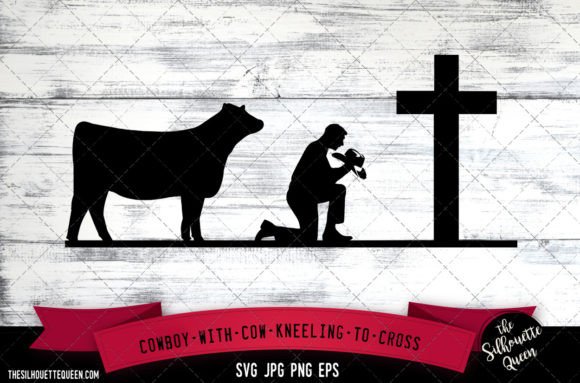
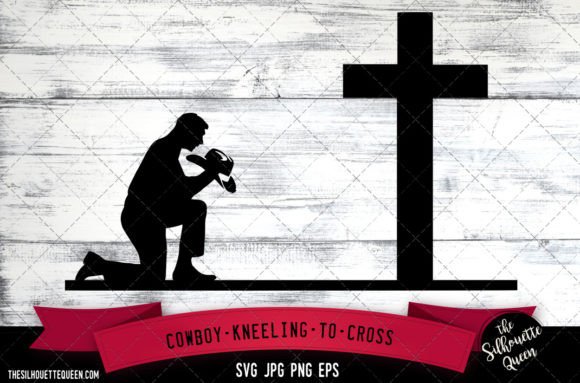
The moment you load the Cowboy Kneeling to Cross SVG, the mood is immediately established. It strikes a balance between rugged Americana and quiet reverence. For designers working in the Graphics and Crafts niches, capturing that specific emotional resonance is tricky. Too much detail can get lost in the stitching, but too little feels generic. This design manages to convey a strong narrative through its silhouette alone.
Visually, the layout is clean. The kneeling figure creates a grounded base, while the cross provides a vertical anchor. This geometric simplicity is actually a huge advantage for machine embroidery. Complex curves and tiny details often require extensive digitizing adjustments to prevent puckering or thread breaks. Here, the shapes feel intentional and robust. It has a vintage, almost Western poster vibe that resonates strongly with current trends in custom apparel and personalized gifts. It feels like something you would see on a high-end boutique shelf, not a mass-produced discount item.
Real-World Application: Where This Design Shines
I recently tested a similar concept on a heavy-duty canvas tote bag, and the results were striking. The Cowboy Kneeling to Cross SVG works exceptionally well as a focal point on larger garments and accessories. Because the design relies on strong lines rather than minute shading, it maintains its integrity even when scaled up.
- Tote Bag Design: Placed centrally on a natural cotton canvas, the design pops without overwhelming the bag. It appeals to customers looking for faith-based or western-themed everyday carry items.
- Sweatshirt Embroidery: On a heather grey or cream sweatshirt, this design offers a perfect blend of comfort and statement. The theme fits the cozy, rustic aesthetic popular in fall and winter collections.
- Embroidered Patch: If you plan to use this as a detachable patch, the solid shapes allow for clean satin stitch borders. It adds a professional touch to denim jackets or workwear.
- Baby Embroidery: While the theme is rugged, the softness of the kneeling pose makes it suitable for nursery decor or baby blankets, provided the color palette is softened with pastels or muted earth tones.
For the Etsy seller or small shop product creator, versatility is key. This design bridges the gap between religious gift-giving occasions (like Christmas or Easter) and lifestyle branding (western wear, faith-based communities). It allows you to market to two distinct audiences with one digital asset.
Technical Considerations and Stitching Clarity
When reviewing any machine embroidery design, I always think about the stitch types involved. A design like this likely utilizes a mix of fill stitch for the clothing textures and satin stitch for outlines or structural elements. The stitch density is crucial here. If the fill areas are too dense, the fabric will pucker, especially on lightweight materials. Conversely, if they are too sparse, the backing material might show through.
I recommend checking the digitization carefully. Look for smooth transitions in the running stitch paths where the cowboy’s hat or boots might meet the ground. These areas often cause thread tangles if the underlay stitches aren’t properly placed. Since the package includes 1 SVG files, 1 PNG files, 1 JPG files, and 1 EPS files, you have flexibility in how you preview the design before committing to the hoop. Use the vector SVG to scale perfectly, but always rely on the raster PNG or JPG to judge the visual weight against your chosen fabric texture.
Where to Exercise Caution
No design is universal, and the Cowboy Kneeling to Cross SVG has its limitations. It is not ideal for every surface. Avoid using this on highly textured fabrics like bouclé or thick fleece, as the fine details will disappear into the weave. Similarly, thin or stretchy fabrics can distort the shape if a proper stabilizer is not used. The stabilizer choice is non-negotiable for maintaining the sharp angles of the cross and the posture of the figure.
Be mindful of small hoop sizes. If you try to cram this design into a 4x4 inch hoop, you risk losing definition. The design needs breathing room to communicate its message effectively. Also, consider the end-use. Products that undergo frequent washing, such as kitchen towels or daily-wear caps, need durable stitching. Ensure the digitizer has used sufficient tackiness in the thread colors to withstand abrasion. Dark fabrics can also be challenging; ensure your thread selection provides enough contrast so the black outlines or dark fills don’t vanish into the background.
Impact on Brand and Customer Trust
In the world of handmade products, presentation is everything. A well-executed finished product builds trust faster than any marketing copy. When a customer receives a sweatshirt or tote bag with crisp, clear embroidery that matches the listing photos, it signals professionalism. The Cowboy Kneeling to Cross SVG lends itself to high-quality execution because of its balanced composition. It looks intentional and polished.
Furthermore, this design enhances brand consistency for shops focusing on western, rustic, or faith-based themes. It helps create a cohesive collection. Whether you are creating holiday embroidery sets or year-round commercial embroidery items, having a strong hero design like this anchors your brand identity. Customers recognize the style and associate it with quality craftsmanship.
Practical Designer Notes Before You Stitch
Before you rush to produce inventory for your craft business, follow these steps to ensure success:
- Test on Scrap Fabric: Always run a test stitch on the exact fabric you plan to sell. Check for puckering, thread breakage, and color accuracy.
- Check Thread Color Contrast: The design’s impact relies heavily on the relationship between the thread and the fabric. Test light threads on dark fabric and vice versa.
- Review Stitch Density: Zoom in on the digitized file. Are the fill stitches overlapping correctly? Is there unnecessary bulk?
- Confirm Hoop Size: Ensure your machine’s hoop can accommodate the design dimensions without cutting off critical details.
- Inspect Small Details: Look closely at the hands, face, and cross details. Are they clear, or do they merge together?
- Black and White Mockups: Convert the design to grayscale to check the value distribution. If the image looks muddy in black and white, it may lack visual punch in color.
- Verify Licensing: This is critical. Confirm whether the license allows for commercial use of finished goods. Do not sell items made from this digital embroidery file unless explicitly permitted.
Ultimately, the Cowboy Kneeling to Cross SVG is a versatile, emotionally resonant asset for the right maker. It offers strong visual appeal and broad market applicability, from apparel decorators to digital product sellers. By approaching it with technical diligence and creative vision, you can transform this simple graphic into a cherished personalized gift or a staple of your small shop product line. Just remember: the design is only as good as the execution. Prepare your materials, respect the fabric, and let the quality of your work speak for itself.