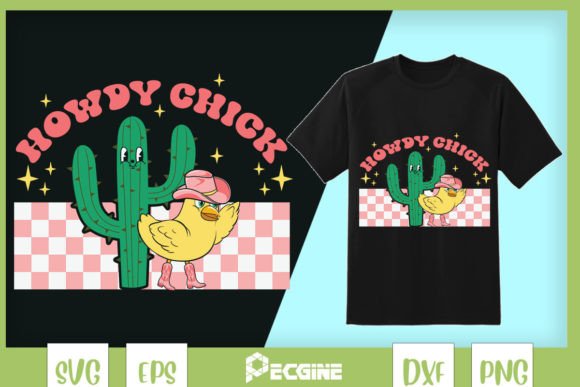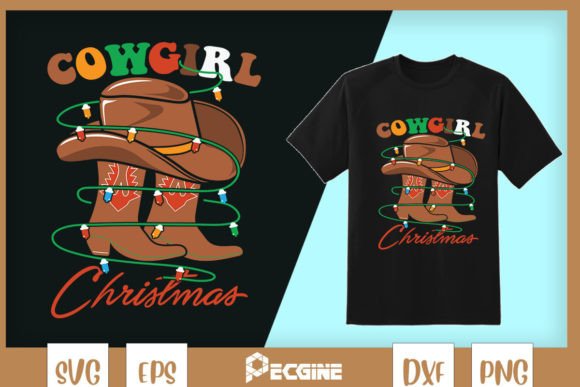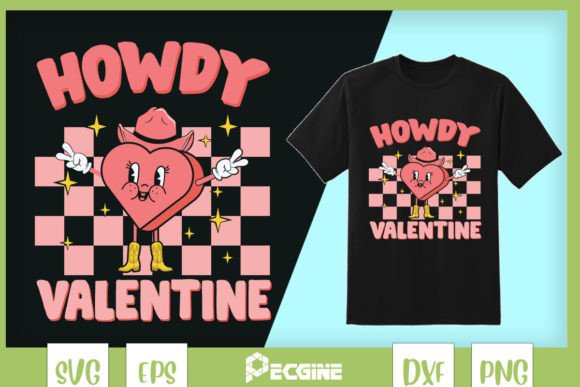
CowGirl Western Valentine Cowhide Review
As a designer who spends half my life staring at stitch counts and the other half worrying about how a design will hold up after twenty wash cycles, I approach every new digital asset with a healthy dose of skepticism. We have all been there: you download a "cute" design, upload it to your machine, and suddenly realize that what looked like delicate detail on a screen is going to turn into a muddy blob of thread on fabric. That is why I took CowGirl Western Valentine Cowhide for a serious test run. This isn't just about whether it looks pretty; it is about whether it works as a viable component in a real-world craft business or personal project.
First Impressions and Visual Personality
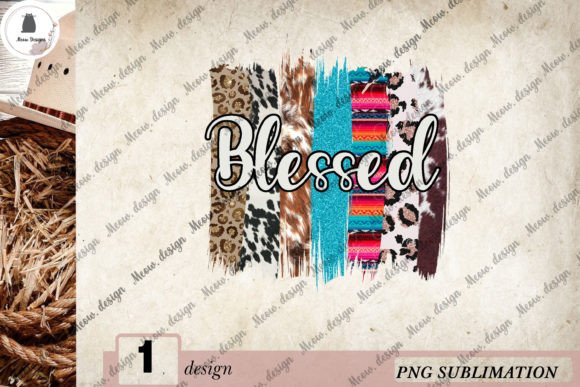
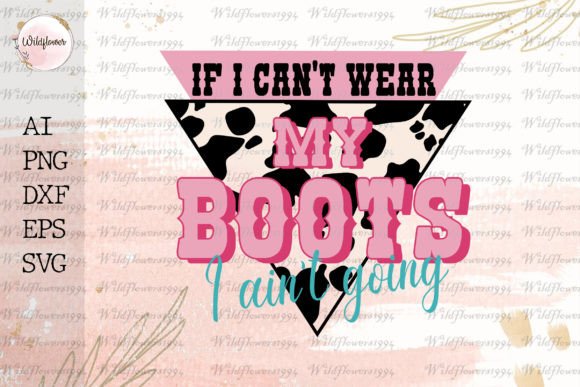
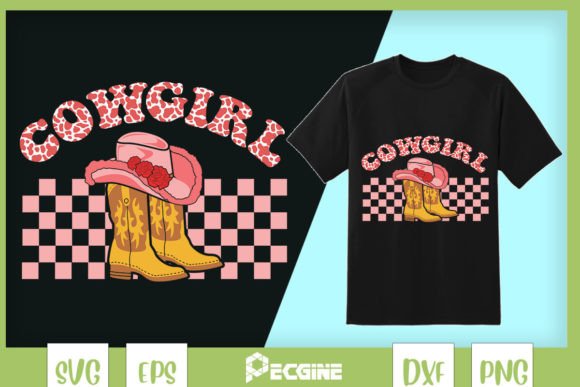
The moment you open the file, the mood is distinct. It balances two very different aesthetics: the rugged, organic feel of western wear and the soft, sentimental nature of Valentine’s Day. The cowhide pattern provides a textured backdrop that feels authentic rather than cartoonish, while the "CowGirl" theme adds a playful, character-driven element. For an embroidery designer, this is a tricky balance to strike. Too much texture can overwhelm the stitching, but here, the design seems to use the cowhide shape as a framing device or background element that allows the central motif to breathe.
The visual personality is bold yet approachable. It does not scream for attention with neon colors or chaotic layouts. Instead, it offers a grounded, rustic charm that fits perfectly into the current trend of "western boho" decor and apparel. When I first laid out the design assets on my virtual workspace, I immediately thought about how this would translate to physical products. The clean lines and clear separation between elements suggest that this is designed with digitizing best practices in mind, which usually means fewer headaches when you are actually running the machine.
Real-World Application: From Screen to Stitch
I decided to put CowGirl Western Valentine Cowhide through its paces by imagining it on several specific products. The most obvious candidate was a custom embroidered tote bag. Canvas totes are staples for Etsy sellers and craft fair vendors because they are durable and offer a large, flat canvas for design work. Placing this design centrally on a natural linen or denim tote creates an immediate connection with customers who appreciate handmade, thematic goods. The cowhide texture adds depth that plain cotton prints cannot achieve, giving the finished product a higher perceived value.
Another strong use case is holiday embroidery for personalized gifts. Valentine’s Day is often dominated by hearts and cupids, which can feel generic. A western-themed twist stands out in a crowded market. I envision this design on a high-quality sweatshirt or a heavy hoodie. The contrast between the soft fleece of the garment and the structured look of the cowhide pattern creates a tactile appeal that customers love. It also works beautifully as an embroidered patch for caps or hats, adding a unique flair to standard headwear that many boutique brands are looking for.
For small shop owners, this design is versatile enough to extend beyond apparel. Think about kitchen towels or aprons. A cowgirl theme paired with a western aesthetic fits surprisingly well in farmhouse-style home decor. The design’s layout likely accommodates various placements, allowing you to create matching sets—like a set of tea towels for a wedding gift or a nursery blanket for a baby shower. The ability to pivot from a romantic gift to a rustic home decor item increases the potential ROI on a single digital purchase.
Technical Performance and Stitch Clarity
When evaluating any machine embroidery design, clarity is king. CowGirl Western Valentine Cowhide appears to rely on a mix of fill stitches for the solid areas and satin stitches for outlines or text. This combination is crucial for maintaining definition. If the fill density is too high, the fabric might pucker; if it is too low, the backing shows through. Based on the file structure provided (including SVG, PNG, DXF, and EPS formats), the vector data suggests precise pathing, which typically translates to cleaner edges on the hoop.
The inclusion of a transparent background in the PNG files is a significant convenience for designers preparing mockups. It allows for easy placement over different fabric textures without manual masking. However, always remember that a static image is not a stitch file. You must verify the actual embroidery file’s performance. Check the stitch density carefully. Areas with dense fills require proper stabilization to prevent shifting. If you are working with stretchy fabrics like jersey knits for t-shirts, you will need a cut-away stabilizer to ensure the design remains stable during washing.
Where Caution Is Required
No design is perfect for every scenario, and CowGirl Western Valentine Cowhide has specific constraints you should consider before committing to production. First, be cautious with small hoop sizes. If the design contains intricate details or fine text, shrinking it down to fit a 4x4 inch hoop may result in lost definition. The cowhide pattern, if composed of small individual stitches, could merge into a gray mass if scaled too small. Always inspect the smallest elements at 100% scale on your monitor before uploading.
Fabric choice is equally critical. While this design shines on sturdy materials like denim, canvas, or felt, it may struggle on thin, sheer, or highly textured fabrics. On loose-weave linens, the threads might pull through, distorting the shape. Similarly, dark fabrics can pose a challenge if the design relies on light-colored threads for contrast. Test your thread colors against your chosen fabric under natural lighting. A color that looks vibrant on a white screen might look dull on black polyester.
Additionally, avoid placing this design on curved surfaces like baseball caps unless you are using a specialized cap frame and have experience with curved surface digitizing. The tension requirements for curves are different, and a design intended for flat embroidery may distort if forced onto a curve. Also, consider the end-user’s maintenance habits. If this is a commercial product intended for frequent washing, ensure that the design does not have excessive loose ends that could snag or unravel over time.
Practical Designer Notes for Success
To get the most out of this asset, follow these practical steps. Always test the design on scrap fabric that matches the weight and weave of your final product. This reveals issues with puckering, thread breakage, or tension imbalances before you ruin a customer’s order. Use a stabilizer appropriate for the fabric type; tear-away for wovens, cut-away for knits, and water-soluble for delicate or unstable materials.
Review the design in black and white mode on your computer. This helps you assess the contrast and balance of the shapes without being distracted by color. If the design loses its impact in grayscale, it might lack sufficient visual hierarchy. Furthermore, confirm the licensing terms explicitly. Since this is a digital product sold in Graphics and Crafts categories, the license determines whether you can sell the finished physical items. Some licenses allow unlimited commercial use, while others restrict the number of units or prohibit resale entirely. As a responsible creator, never assume permission; read the fine print.
Final Verdict
CowGirl Western Valentine Cowhide is a well-conceived design that bridges the gap between seasonal sentimentality and rustic style. It offers strong potential for custom apparel, personalized gifts, and craft business merchandise. Its versatility makes it a valuable addition to any designer’s library, particularly those targeting the western, boho, or farmhouse niches. By paying attention to fabric selection, stabilization, and licensing, you can transform this digital file into a professional, high-quality finished product that resonates with buyers. It is not just a cute picture; it is a functional tool for creating memorable handmade experiences.