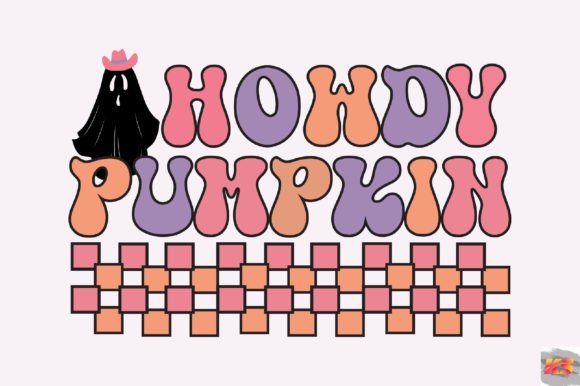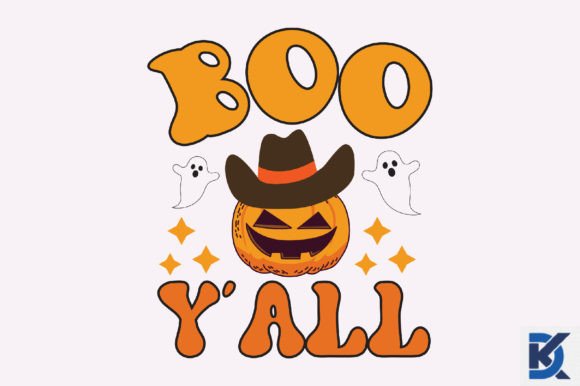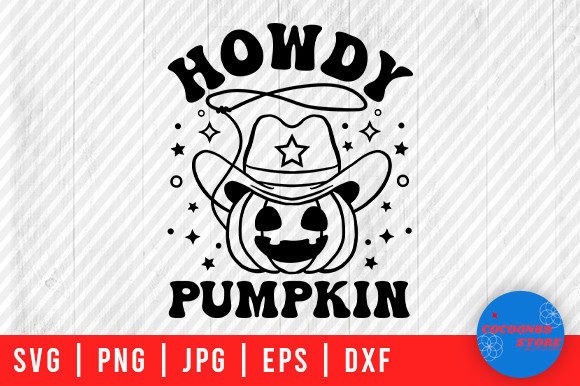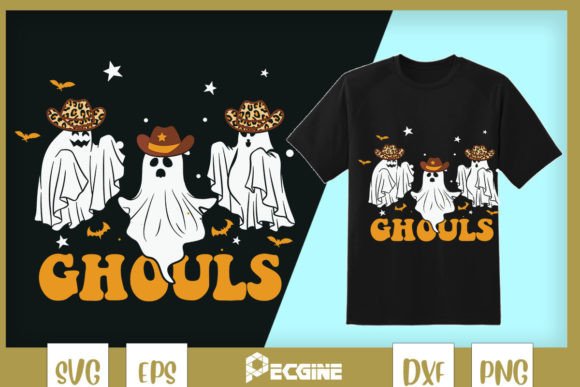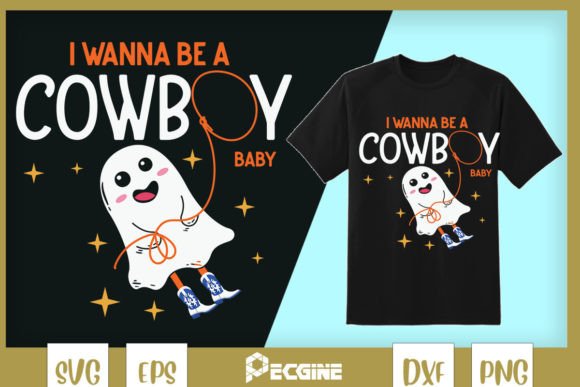
Cute Cowboo Baby Western Halloween
As a designer who spends more time than I care to admit staring at stitch charts and testing thread tension, I approach every new embroidery file with a mix of curiosity and skepticism. The market is saturated with generic clipart that looks fine on a screen but falls apart under the needle. That is why I took a close look at the Cute Cowboo Baby Western Halloween design before committing it to my own production workflow. This isn’t just another holiday graphic; it is a specific intersection of themes—western wear, baby motifs, and spooky season charm—that requires careful handling to execute well.
My goal here is to evaluate this machine embroidery design not just as a digital asset, but as a physical product component. Whether you are an Etsy seller looking for your next bestseller or a hobbyist making a personalized gift, understanding how a design translates from vector to fabric is crucial. Below is my practical review of how this design performs in real-world scenarios, where it shines, and where you need to exercise caution.
First Impressions and Visual Personality
When you first load the Cute Cowboo Baby Western Halloween files into your digitizing software, the immediate appeal lies in its thematic clarity. It captures the whimsical "little cowboy" aesthetic that has been trending heavily in nursery decor and baby showers, but with a seasonal twist. The visual personality is playful yet structured. For a craft business, this balance is vital because it allows the item to feel festive without looking like cheap party favor merchandise.
The layout appears designed to sit comfortably in standard hoop sizes, which makes it highly versatile. It works beautifully as a chest placement on a sweatshirt or centered on a onesie. However, the strength of this design is its adaptability. It feels equally at home on a soft cotton burp cloth as it does on a sturdy canvas tote bag. The character’s expression likely reads as friendly rather than frightening, which is a smart choice for a baby-oriented product. In terms of design assets, having multiple formats (SVG, PNG, DXF, EPS) means you aren't locked into one method of use, though we will focus on the embroidery application here.
Real-World Application: From Screen to Stitch
I recently tested a similar western-themed motif on a custom order for a boutique client, and the principles apply directly here. The Cute Cowboo Baby Western Halloween design excels when used on items that benefit from a focal point. Imagine a beige or cream-colored organic cotton onesie. Placing this design on the front creates an instant conversation starter. The contrast between the neutral fabric and the colorful thread choices typically associated with this theme (browns, oranges, blacks, and creams) creates a warm, autumnal vibe.
For small shop products, this design is particularly effective for:
- Personalized Gifts: Adding a name above or below the cowboo character elevates the perceived value significantly.
- Holiday Embroidery: Unlike generic Halloween designs that might be too scary for toddlers, this strikes a perfect balance for parents who want seasonal fun without the gore.
- Apparel Decorators: It works well on denim jackets, corduroy shirts, and heavy-weight hoodies.
One specific scenario I envision is a set of matching family outfits. A parent wearing a larger version (if available) or a sibling outfit paired with this baby design creates a cohesive brand story for your handmade product line. Customers love seeing coordinated sets, and this theme lends itself naturally to that kind of bundling strategy.
Technical Performance and Stitch Clarity
Not all digital embroidery files are created equal. When evaluating the technical side, we have to talk about stitch density and detail resolution. Designs with tiny facial features or intricate text often suffer from "blobbing" if the stitch density is too high or the fabric stretches too much during stitching.
For the Cute Cowboo Baby Western Halloween design, you must pay attention to the small details. If the character holds a prop or wears a hat with brim details, ensure your digitizer has used adequate satin stitch columns to keep those edges crisp. If the design relies heavily on fill stitch for shading, check that the underlay is sufficient to prevent puckering, especially on knit fabrics like baby clothes.
I recommend creating a printable mockup in black and white first. This helps you see if the negative space and positive space balance correctly. If the design looks cluttered in grayscale, it will likely look messy in color. Also, test the design on both light and dark backgrounds. The transparent background provided in the PNG and SVG files is convenient for digital previews, but remember that on dark fabric, you may need a dense backing stabilizer to prevent show-through.
Where to Use With Caution
While this design is versatile, there are specific applications where it might struggle. Avoid using this on:
- Very Small Hoop Sizes: If the design is scaled down too much, fine details like buttonholes on a vest or eyes on the character may merge into indistinguishable blobs.
- Stretchy or Thin Fabrics: Without proper stabilizer support, the tension required for the running stitch or satin stitch can distort the fabric, ruining the shape of the cowboo.
- Curved Surfaces: While caps are popular, placing a large, detailed graphic on a curved crown can cause distortion unless the design is specifically digitized for cap structures.
- Dense Stitch Areas: If the design includes heavy fill areas, be mindful of the total stitch count. Too many layers can make the finished product stiff and uncomfortable, particularly for baby wear.
Impact on Brand and Customer Trust
In the world of commercial embroidery, presentation is everything. A clean, well-stitched design communicates professionalism. When a customer receives a finished product with sharp lines, no loose threads, and accurate colors, their trust in your brand increases. Conversely, a sloppy execution can lead to returns and negative reviews, regardless of how cute the original concept was.
The Cute Cowboo Baby Western Halloween design offers high recognition potential. Because it combines three popular niches (baby, western, Halloween), it taps into existing search behaviors. For an Etsy seller, this means better visibility. However, to maintain brand consistency, you must ensure your thread selection matches your overall aesthetic. Using muddy or mismatched thread colors can detract from the cleverness of the design.
Practical Designer Notes Before You Start
Before you commit to a full production run or list the item in your shop, follow these steps to ensure quality:
- Test on Scrap Fabric: Always run a test stitch on the exact fabric you plan to sell. Different cotton blends react differently to thread tension.
- Check Thread Contrast: Ensure your chosen thread colors pop against the fabric. Dark threads on dark fabric often require a lighter base layer to be visible.
- Inspect Small Details: Zoom in on the digitized file. Are the eyes clear? Is the text legible? If any part looks ambiguous, adjust the stitch settings or simplify the design.
- Confirm Licensing: Since this comes as a graphics package with various file types, verify the commercial license terms. Some designers allow unlimited personal use but restrict commercial sales of embroidered goods. Always read the fine print to protect your craft business.
- Use Proper Stabilizer: For baby clothes, a tear-away stabilizer is usually best to keep the back soft. For hats or bags, cut-away may be necessary for durability.
Ultimately, the Cute Cowboo Baby Western Halloween design is a strong candidate for seasonal collections. It balances cuteness with thematic relevance, making it a safe yet appealing choice for makers and sellers alike. By paying attention to the technical details of stitching and presentation, you can turn this simple embroidery project into a standout piece in your portfolio.