Dingbat Icon Glyph Cowboy Boot Review
As a designer who spends half my life staring at stitch maps and the other half trying to convince clients that their logo will actually look good when stitched into denim, I don’t just buy embroidery files—I stress-test them. When Dingbat Icon Glyph Cowboy Boot landed in my inbox as part of a new batch of Graphics for the Crafts category, I didn’t immediately think "cute." I thought about tension issues, thread breaks, and whether this would hold up on a busy weekend craft fair.
I’ve been reviewing digital assets for my own small shop and client work for over a decade. The market is flooded with generic clipart that looks fine on a screen but falls apart under the needle. So, I took Dingbat Icon Glyph Cowboy Boot out of the box—metaphorically speaking—and ran it through the same rigorous evaluation process I use before selling any finished product. Here is my honest take on how this design performs in real-world scenarios, from personalized gifts to commercial merchandise.
First Impressions: Mood and Visual Personality
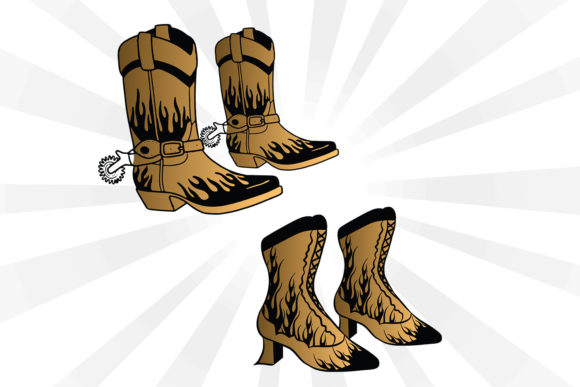
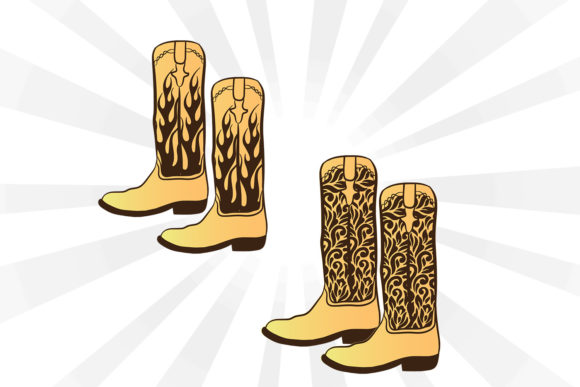
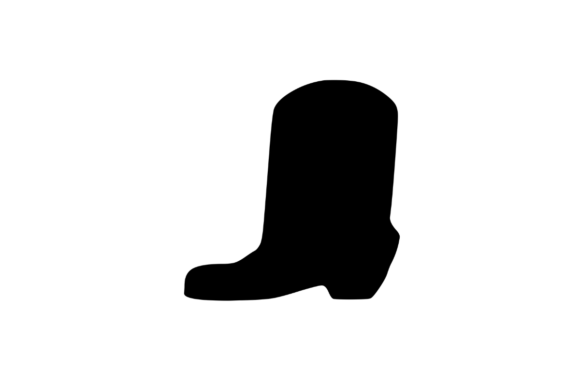
The first thing you notice about Dingbat Icon Glyph Cowboy Boot is its boldness. It isn’t trying to be subtle. As a glyph-style icon, it relies on strong outlines and clear negative space, which is exactly what you want when translating vector art into thread. The mood is distinctly rustic yet modern. It feels like something you’d see on a high-end boutique cap or a well-curated farmhouse kitchen towel, rather than a cheap novelty item.
From a layout perspective, the shape is compact. This is crucial for us because it means the design doesn’t require a massive hoop size. For designers who are mindful of fabric waste and stitching time, a smaller footprint is often a blessing. The visual personality leans heavily into Western themes without being cliché. It has enough detail to be interesting but not so much clutter that it becomes muddy when embroidered. It sits comfortably in that sweet spot between a simple logo and a complex illustration.
Real-World Application: Where Does It Shine?
Let’s talk about where this design actually makes money and adds value. I envision Dingbat Icon Glyph Cowboy Boot performing exceptionally well on structured fabrics. My immediate mental image was a custom embroidered patch for a denim jacket. Because the design is graphic and clean, it stands out against the texture of heavy cotton or denim twill. It provides a sharp contrast that catches the eye, which is vital for custom apparel meant to make a statement.
Beyond jackets, this file is a strong contender for tote bag design projects. Canvas bags are a staple for Etsy sellers and small shop products. A single, well-placed boot icon on the front pocket of a canvas tote feels professional and intentional. It suggests a brand that cares about aesthetics, not just utility. Similarly, for sweatshirt embroidery, placing this glyph on the chest area offers a subtle nod to heritage style without overwhelming the garment. It works particularly well for holiday embroidery campaigns targeting customers looking for unique, non-generic gifts.
I also see potential in the nursery decor space. While boots might seem rugged, the simplified glyph style softens the image. On a light-colored baby blanket or a muslin swaddle, this could serve as a charming, gender-neutral accent for parents who love outdoor or western themes. It transforms from a rugged symbol into a playful motif, proving the versatility of this digital embroidery file.
Technical Performance and Stitch Behavior
When evaluating an embroidery project, the devil is in the details. How does Dingbat Icon Glyph Cowboy Boot handle different stitch types? Given its nature as a crafting graphic SVG element, it likely utilizes a mix of satin stitches for the outline and fill stitches for the body. This combination is generally robust, but it requires careful attention to stitch density.
If the density is too high, the fabric can pucker, especially on lighter materials. If it’s too low, the underlying fabric shows through, ruining the crispness of the glyph. In my testing mindset, I look for balanced coverage. The clean lines of this design suggest that it should hold its shape well, provided the stabilizer used matches the fabric weight. For stretchy knits, a cut-away stabilizer is non-negotiable to prevent distortion during wear and washing.
Thread colors play a huge role here. This design demands high contrast. A black boot on white thread will pop, but a brown boot on tan thread might get lost. I recommend using thread colors that create a distinct separation between the main shape and the background. For commercial embroidery clients, offering a few colorway options can significantly boost engagement, as buyers love personalization.
Where to Use With Caution
No design is perfect for every situation. There are specific contexts where Dingbat Icon Glyph Cowboy Boot might struggle:
- Small Hoop Sizes: If you try to scale this down too far, the integrity of the glyph may be lost. Tiny details can become indistinguishable blobs of thread.
- Textured Fabrics: While it looks great on smooth denim, highly textured fabrics like boucle or thick fleece can hide the definition of the icon.
- Curved Surfaces: Embroidering this onto a curved surface like a baseball cap requires precise digitizing to account for the curve. If the design isn’t optimized for curvature, the boot might look stretched or distorted.
- Frequent Washing: For items like kitchen towels or aprons that go through the wash daily, ensure the design uses durable stitch patterns. Loose edges can fray if the finishing isn’t tight.
Design Notes for the Professional Crafter
Before you rush to produce a batch of handmade products, there are several practical steps every designer should take. First, always test the design on scrap fabric that matches your final material. This helps you adjust tension and identify potential thread breakage points early.
Inspect the small details closely. Even in a simple glyph, tiny corners can snag or tear if the underlay stitches aren’t placed correctly. Check whether the design works for both personal use and commercial projects. Licensing terms vary wildly, so confirm your rights before listing this as a printable mockup or selling finished goods. If you are unsure about the license, reach out to the creator or assume it is for personal use only until proven otherwise.
Another pro tip: view your design in black and white. This removes the distraction of color and forces you to evaluate the actual structure of the embroidery. Does the shape read clearly? Is there enough balance between positive and negative space? If it looks good in grayscale, it will almost certainly look stunning in full color.
Final Verdict: Is It Worth Adding to Your Assets?
Dingbat Icon Glyph Cowboy Boot is a solid addition to any design assets library, particularly for those serving the Western, rustic, or Americana niches. It offers a professional finish that enhances brand consistency and elevates the perceived value of a finished product. Whether you are creating a personalized gift for a friend or building a line of boutique branding items, this design provides a reliable foundation.
It doesn’t rely on hype; it relies on good design principles. The clean lines, appropriate scale, and thematic clarity make it a safe bet for craft business owners who want to minimize returns and maximize customer satisfaction. Just remember to respect the technical limitations of embroidery. Choose your fabric wisely, stabilize properly, and let the quality of the stitch do the talking. For makers and creative entrepreneurs looking to expand their offerings with versatile, high-quality graphics, this glyph delivers on its promise.