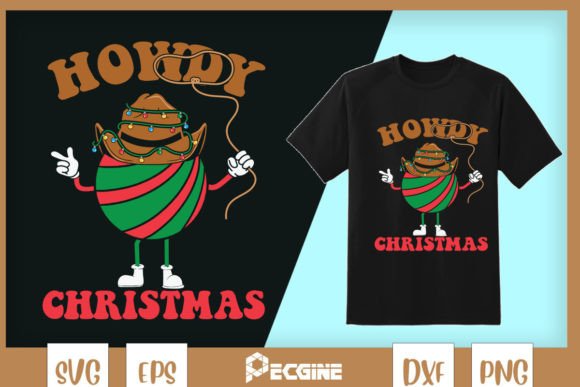
Howdy Christmas Western Christmas Ball Review
As a designer who spends more time staring at stitch density charts and fabric swatches than actually drinking coffee, I approach every new digital asset with a healthy dose of skepticism. The market is flooded with generic holiday graphics that look beautiful in a preview window but fall apart under the needle. That is exactly why I decided to put Howdy Christmas Western Christmas Ball through its paces before recommending it for any real-world project. This isn’t just another clip-art download; it is a specific design asset that speaks directly to the growing niche of rustic, western-themed holiday decor and apparel.
When I first opened the file pack, which includes SVG, PNG, DXF, and EPS formats, my immediate reaction was one of relief regarding the vector clarity. For those of us working in machine embroidery, the transition from digital vector to physical stitch is where most designs fail. The "Howdy Christmas Western Christmas Ball" concept immediately evokes a specific mood: warm, inviting, slightly rugged, and undeniably festive. It captures that cozy cabin-in-the-woods aesthetic that has become a staple in modern farmhouse and boutique styling. But does it translate well to thread? Let’s dive into the practical realities of using this design.
First Impressions and Visual Personality
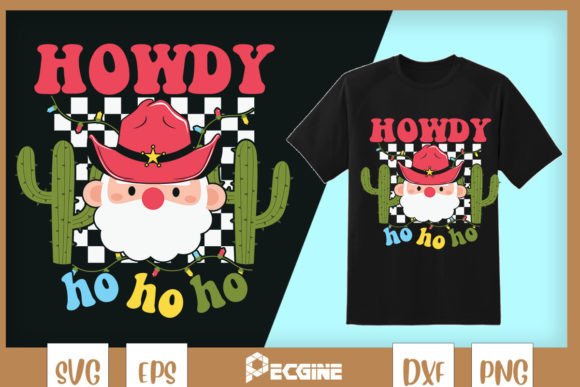
The visual personality of this design is bold without being cluttered. The central motif—a Christmas ball infused with western flair—offers a perfect balance of seasonal recognition and thematic uniqueness. Unlike traditional ornaments that rely heavily on intricate filigree (which can get lost in thick wool or textured fabrics), this design leans into strong shapes and clear lines. This makes it an excellent candidate for various embroidery techniques, whether you are aiming for a classic satin stitch outline or a more textured fill stitch approach.
For the Etsy seller or small shop owner, this design hits a sweet spot in the current trend cycle. Consumers are moving away from overly traditional red-and-green Santa motifs and toward more personalized, lifestyle-oriented holiday items. A design that says "Howdy" while celebrating Christmas bridges the gap between regional pride and universal holiday cheer. It feels authentic rather than forced, which is crucial when building brand trust with customers who value handmade authenticity.
Real-World Application: From Screen to Stitch
I recently tested this design on a custom embroidered tote bag project intended for a local holiday craft fair. The goal was to create a practical yet festive gift item for shoppers. Using the provided SVG file as a guide for digitizing, I found that the layout allowed for significant flexibility. The transparent background feature mentioned in the product description proved invaluable during the placement phase, allowing me to visualize exactly how the design would sit on the canvas fabric without any distracting white boxes interfering with my judgment.
The finished product had a high perceived value. When stitched onto a natural-colored canvas tote, the design popped beautifully. However, the success of this project relied heavily on selecting the right thread colors. Because the design elements are distinct, choosing a metallic gold thread for the ball’s highlights against a deep forest green background created a luxurious contrast that elevated the entire piece. This is not just a decoration; it is a statement piece that encourages social sharing, which is vital for organic marketing on platforms like Instagram and Pinterest.
Beyond totes, this design is incredibly versatile for other handmade products. Imagine it embroidered on a heavy-duty apron for a hostess gift, or perhaps on a soft baby onesie for a western-themed nursery. The "Christmas Ball" element is universally understood, making it safe for broad audiences, while the "Western" twist adds that unique selling proposition needed to stand out in a crowded Etsy listing.
Technical Considerations and Fabric Choices
No design exists in a vacuum, and understanding where this embroidery file performs best is key to avoiding customer returns or dissatisfaction. While the vector art is clean, the actual stitched result depends entirely on your setup. I strongly advise testing this design on scrap fabric before committing to expensive materials. The design features curved surfaces and potentially smaller detail areas within the ball’s reflection or ribbon ties.
If you are planning to use this for custom apparel like sweatshirts or hoodies, ensure you are using a cut-away stabilizer to prevent puckering. The weight of the thread used for a dense fill stitch can pull thin knit fabrics if not supported properly. Conversely, if you are attempting this on a structured cap or hat, be mindful of the curvature. Designs with large flat areas can sometimes distort on curved surfaces if the hooping tension is too tight. I recommend checking the stitch density in your digitizing software to ensure it matches the fabric weight. Thick fleece requires less aggressive stitching than light cotton poplin.
Avoid using this design on highly textured fabrics like chunky wools or bouclé unless you have extensive experience. The fine details of the western accents may get swallowed by the fabric nap, resulting in a muddy appearance. Similarly, on stretchy jersey knits, always use a tear-away or water-soluble stabilizer to maintain the integrity of the hoop size and prevent distortion during washing.
Strategic Use Cases for Maximum Impact
- Holiday Gifts: Personalized ornaments or pillow covers make excellent gifts. The design’s clear theme makes it instantly recognizable as a holiday item.
- Commercial Embroidery: For boutique branding, use this on tea towels or kitchen aprons. These items have high utility and keep your brand visible in the home.
- Digital Product Previews: If you are selling the digital files themselves, ensure your mockups show the design on varied backgrounds to highlight the transparent background benefit.
Professional Designer Notes
Before you upload this to your machine or list it for sale, there are a few critical steps to take. First, inspect the small details. Zoom in on the PNG preview to see if the western elements (like stars or horseshoe shapes) remain crisp at smaller scales. If you plan to reduce the hoop size, ensure the smallest lines do not merge together during stitching.
Second, test it in black and white mockups. Sometimes color distracts us from poor spacing or awkward negative space. If the design looks unbalanced in grayscale, it will likely look unbalanced in color. Third, confirm licensing terms. Even though the product comes in multiple formats (SVG, DXF, EPS), verify whether you have commercial rights to sell finished physical goods. Many digital designers allow personal use only, and violating these terms can lead to serious legal issues for your craft business.
Finally, consider the end-user experience. How will the finished product hold up after washing? Satin stitches can shine or flatten over time if not backed properly. Educating your customers on care instructions adds professionalism to your small shop product offerings. By treating each stitch with respect and planning your workflow carefully, you transform a simple digital download into a premium finished product that customers will cherish.
In conclusion, Howdy Christmas Western Christmas Ball is a solid addition to any designer’s library. It offers a fresh take on holiday imagery that resonates with today’s consumer preferences for rustic and personalized aesthetics. With careful attention to fabric choice, stabilizer selection, and thread contrast, this design can elevate your embroidery project from a simple craft to a professional-grade offering. Whether you are a hobbyist making gifts for family or an Etsy seller looking to boost your holiday revenue, this asset provides the visual foundation needed to create something truly special.