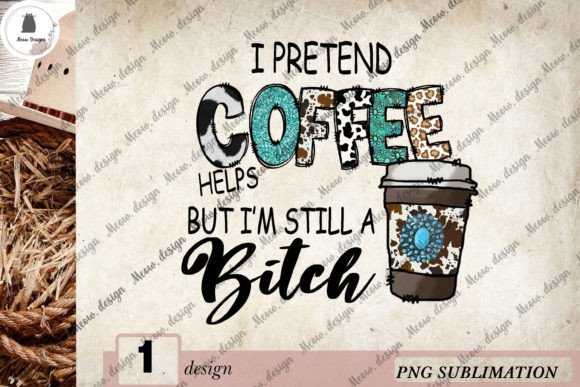
I Pretend Coffee Western PNG Review
As a designer who spends more time staring at stitch charts and fabric swatches than sleeping, I have developed a rather specific set of standards for digital assets. We are not just buying pixels; we are buying the potential for a finished product that stands up to real-world wear, washing, and customer scrutiny. When I came across the I Pretend Coffee Western PNG, my initial reaction was one of cautious optimism. The concept is undeniably popular—blending the cozy, relatable humor of coffee culture with the rugged, nostalgic aesthetic of Western motifs—but execution is everything in machine embroidery.
This review is not about listing technical specs you can find on a download page. It is about evaluating this design asset from the perspective of an embroiderer preparing it for a real project. Whether you are an Etsy seller looking to expand your boutique collection or a hobbyist making a personalized gift, understanding how a graphic translates into thread is crucial. Below, I break down how the I Pretend Coffee Western PNG holds up under the needle, where it shines, and where it might cause headaches if you are not careful.
The First Impression: Mood and Visual Personality
Before any digitizing software opens, there is the visual impact of the source file. The I Pretend Coffee Western PNG carries a distinct mood. It feels casual, approachable, and slightly humorous without being childish. For a craft business, this is valuable. It sits comfortably in the "lifestyle" category rather than the "decorative" category. It suggests a morning routine, a slow weekend, or a break from the chaos of daily life.
Visually, the layout appears balanced. Western themes often rely on heavy use of borders, stars, or rustic fonts, which can sometimes feel cluttered when translated into embroidery. A common pitfall in this genre is over-stitching. If the original graphic is too dense with small details, the final stitched result can look muddy or lose its shape entirely. From what I can assess, this design seems to prioritize readability and clear silhouettes over intricate filigree. This is a smart choice. In the world of handmade products, clarity wins. Customers need to understand the message instantly, whether they are glancing at a tote bag on a shelf or wearing a sweatshirt in public.
Real-World Application: Where Does This Design Fit?
Let’s talk about practicality. I imagined this design being applied to several different mediums to see where it would truly excel. The versatility of a machine embroidery design like this depends heavily on the substrate—the fabric it is placed upon.
Custom Apparel and Sweatshirts
This is perhaps the most obvious and effective use case. The Western coffee theme pairs naturally with soft, heathered fabrics. Imagine this embroidered on a cream-colored crewneck sweatshirt or a muted olive green tee. The contrast between the rustic theme and the soft texture of the knit fabric creates a high-end, artisanal feel. It works well as a chest pocket placement for a subtle, professional look, or centered on the back for a statement piece. For an Etsy seller, this is a strong candidate for seasonal listings, particularly around autumn or winter holidays when comfort wear is in high demand.
Tote Bags and Canvas Items
A tote bag design is another excellent fit. Canvas is sturdy and forgiving, allowing for slightly larger stitch areas without pucker issues. The humorous nature of the phrase makes it perfect for a reusable grocery bag or a market tote. It appeals to the same demographic that buys handmade goods—they value utility mixed with personality. However, be mindful of the handle attachment points; ensure the hoop size allows for stable stitching away from seams.
Baby Items and Nursery Decor
Don’t overlook the softer side of this theme. A simplified version of this design could work beautifully on a baby blanket or a onesie. Parents love gifts that are both cute and relatable. The Western motif adds a touch of uniqueness compared to standard animals or clouds. As a personalized gift, it offers a chance to add a name or date, increasing the perceived value of the handmade product.
Kitchen and Home Textiles
Tea towels, aprons, and pillow covers are often overlooked by small shop owners, but they are high-margin items. The coffee theme is inherently domestic. An embroidered tea towel hanging in a kitchen is a constant advertisement for your brand. The durability of the embroidery ensures it survives frequent washing, which is critical for kitchen textiles.
Technical Considerations and Potential Pitfalls
While the concept is strong, no design is flawless out of the box. Here is where you need to apply your designer’s eye before sending the file to the machine.
Stitch Density and Detail Level
The biggest risk with text-based designs is legibility. If the font used in the I Pretend Coffee Western PNG has thin serifs or tight spacing, it may require excessive stitch density to look solid. High density leads to bulkiness and can distort delicate fabrics. Before committing to a full run, test the design on scrap fabric. Look closely at the corners of letters and any decorative elements. If you see gaps or weak spots, you may need to adjust the thread colors or simplify the underlying graphic. A satin stitch around text can help define edges, but only if the digitizer has accounted for proper pull compensation.
Fabric Texture and Color Contrast
Embroidery relies on contrast. On dark fabrics, light threads can get lost if the stitch width is too narrow. Conversely, white thread on light fabric disappears entirely. Always test your embroidery project on the actual fabric you intend to sell. The fabric texture also plays a role; a nubby wool or a loose weave can obscure fine details. For best results, stick to smooth, medium-weight fabrics like cotton blends or fleece. Avoid stretchy knits unless you are using a stabilizer specifically designed for them, as the stretching can distort the design during stitching.
Hoop Size and Placement
Check the dimensions of the design against your available hoop size. If the design is large, you will need a multi-hooping strategy, which increases production time and the risk of misalignment. For small items like caps or baby hats, ensure the design fits within the curve of the surface. Flat surfaces like tote bags are easier to manage, but curved surfaces require careful planning to avoid distortion at the edges.
Practical Designer Notes for Success
- Test on Scrap: Never assume a design will work perfectly. Stitch it out on the exact fabric type first.
- Check Stabilizer: Use the appropriate stabilizer for your fabric weight. Heavy cut-away stabilizers are often needed for apparel, while tear-away may suffice for home decor.
- Review in Black and White: Convert the design to grayscale to check contrast levels. If it looks muddy in black and white, it will likely look muddy in color.
- Confirm Licensing: Before selling finished items, verify the commercial use rights of the digital embroidery file. Some graphics allow personal use only, which can limit your revenue streams.
- Inspect Small Details: Zoom in on the source file. Are there tiny stars or dots that might turn into unsightly blobs of thread? Simplify if necessary.
Final Verdict: Is It Worth the Investment?
The I Pretend Coffee Western PNG strikes a balance between trendiness and timelessness. It taps into two enduring niches: coffee lovers and Western aesthetics. For craft business owners, this design offers flexibility. It can be adapted for various products, from commercial embroidery projects for local cafes to unique holiday gifts for individual customers.
Its success ultimately depends on your execution. The design itself provides a strong foundation—a clear, engaging visual that resonates with a broad audience. By paying attention to stitch quality, fabric choice, and proper finishing, you can transform this digital asset into a tangible, desirable finished product. It is not just a PNG; it is a starting point for creating something that people will want to hold, wear, and display. If you are looking to add a touch of rustic charm and humor to your inventory, this design deserves a spot in your design assets library. Just remember: the magic happens in the stitching, not just the screen.