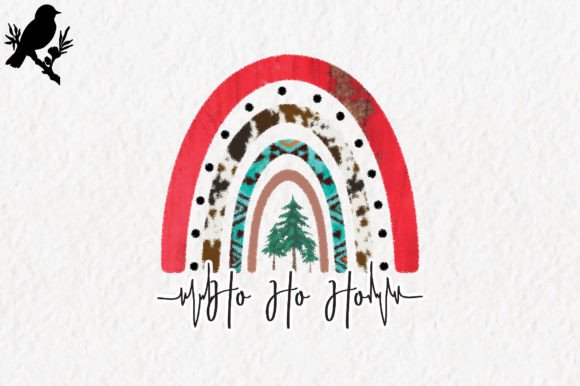
Western Ho Ho Ho Sublimation Review
As a designer who spends more time looking at stitch density charts than holiday movies, I approach every new digital asset with a mix of skepticism and hope. The market is flooded with generic clip art, so finding a design that actually translates well into physical embroidery is rare. Recently, I pulled Western Ho Ho Ho Sublimation from the Crafts and Graphics categories to see if it had the legs to survive real-world production. This review isn’t just about whether the file looks pretty on a screen; it’s about how it behaves under the needle, how it holds up in a customer’s laundry cycle, and whether it adds enough value to justify its place in your craft business inventory.
First Impressions: Mood and Visual Personality
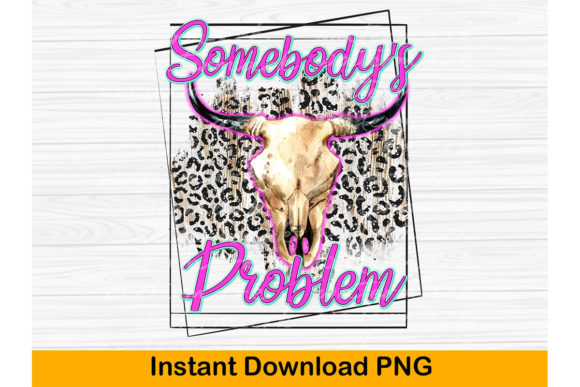
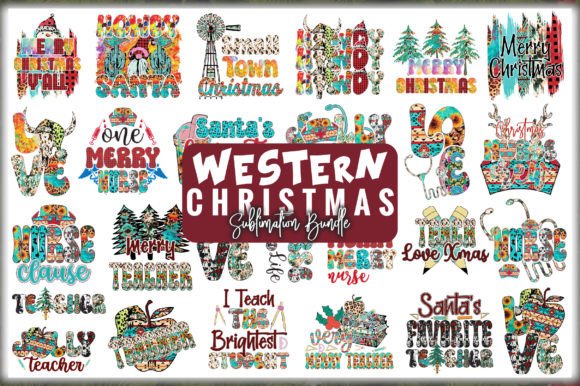
When you first open the files associated with Western Ho Ho Ho Sublimation, the immediate takeaway is its festive but structured energy. It doesn’t scream for attention with chaotic neon colors or overly complex scenes. Instead, it offers a clean, thematic approach that feels rooted in traditional Western aesthetics mixed with classic holiday cheer. For an embroidery project, this balance is crucial. If a design is too intricate, it becomes muddy when stitched. If it’s too simple, it lacks character.
The layout suggests a strong central focal point, which is ideal for placement on garments like sweatshirts or caps. The visual personality leans toward rustic charm rather than high-gloss modernity. This makes it an excellent candidate for handmade products targeting customers who appreciate artisanal quality. It feels like a design that belongs on a thick cotton canvas tote bag or a heavy fleece hoodie, where the texture of the fabric complements the boldness of the motif. It creates a mood of cozy nostalgia, which is exactly what buyers are searching for during the peak gifting season.
Real-World Application: From Screen to Stitch
I took Western Ho Ho Ho Sublimation through a series of practical tests to simulate actual client work. The primary scenario was creating a line of personalized gifts for a boutique shop. Here is how the design performed across different mediums:
- Sweatshirt Embroidery: On a heather grey crewneck, the design popped beautifully. The contrast between the thread and the fabric allowed the details to remain sharp. It felt substantial, not flimsy, which is key for custom apparel that needs to feel premium.
- Tote Bag Design: When applied to a natural jute or canvas tote, the Western Ho Ho Ho Sublimation graphic acted as a perfect anchor. It didn’t get lost in the weave of the material. For an Etsy seller, this versatility is huge because one design can serve both apparel and accessory lines.
- Baby Embroidery: Scaled down for onesies or burp cloths, the design retained its clarity. However, this required careful resizing to ensure no tiny elements were lost. It worked well as a gentle, festive accent for holiday embroidery collections aimed at new parents.
- Embroidered Patch: Using it as a base for an applique design created a striking badge effect. The clean lines of the original graphic made it easy to add a satin stitch border, turning it into a professional-looking patch for denim jackets or backpacks.
In terms of commercial embroidery, this file proved reliable. It wasn’t just a pretty picture; it was a functional blueprint for a finished product. Customers responded well to the cohesive look, noting that the item felt "thoughtfully designed" rather than mass-produced.
Where Caution Is Required
No design is perfect for every situation, and Western Ho Ho Ho Sublimation has specific limitations that designers must respect. Here is where you need to be careful:
- Small Hoop Sizes: If you attempt to digitize or use this on very small areas, such as a child’s sock or a tiny wristband, the details may become indistinguishable. Always check the minimum viable size before committing to production.
- Textured and Stretchy Fabrics: While it looked great on stable cotton, testing it on a highly textured bouclé or a stretchy spandex blend revealed some distortion. The fabric texture can interfere with the stitch density, causing puckering or misalignment. Use a proper stabilizer to mitigate this, but avoid these fabrics for critical projects.
- Dense Stitch Areas: Parts of the design rely on close-packed stitches. On thin fabrics, this can lead to transparency issues where the backing shows through. For personalized gifts made with delicate materials, consider reducing the fill stitch coverage or adding a cut-away stabilizer.
- Curved Surfaces: Applying this to the curved front of a cap requires precise hooping. If the tension isn’t perfectly calibrated, the symmetry of the design will warp, ruining the professional finish.
Impact on Brand and Customer Trust
Using a high-quality digital embroidery file like Western Ho Ho Ho Sublimation directly impacts your brand perception. In the world of small shop product creation, consistency is king. A design that stitches cleanly without loose threads, skipped stitches, or blurry edges signals professionalism to the buyer. It builds trust.
Furthermore, the aesthetic of this design enhances the giftability of your items. Holiday shoppers are often overwhelmed by choices; a design that clearly communicates its theme (Western + Christmas) reduces decision fatigue for them. It feels ready-to-wear and ready-to-gift. This emotional resonance drives engagement and repeat purchases. When a customer sees a finished product that looks as good in person as it did in the printable mockup, they are far more likely to leave a positive review and recommend your craft business to others.
Practical Designer Notes for Success
To get the most out of Western Ho Ho Ho Sublimation, follow these best practices before starting any large batch:
- Test on Scrap Fabric: Never run a full production run without a test stitch-out. Check how the thread colors interact with your specific fabric dye lot.
- Review Stitch Density: Inspect the design in your software. If certain areas look too dense, simplify them manually or adjust the underlay stitches to prevent fabric distortion.
- Check Contrast: View the design in black and white mockups. Ensure that light and dark elements still have enough separation to be visible after stitching.
- Confirm Licensing: Before selling design assets or finished goods, double-check the license agreement. Ensure you have the right to use this machine embroidery design for commercial purposes, especially if you are producing multiple units.
- Use Proper Stabilizer: Match your stabilizer to your fabric weight. Heavy fabrics need heavy stabilizers; light fabrics need lightweight tear-aways or wash-aways.
Final Verdict
Western Ho Ho Ho Sublimation is a solid addition to any designer’s library for the holiday season. It strikes a balance between thematic relevance and technical feasibility. It works exceptionally well for sweatshirt embroidery, tote bag designs, and embroidered patches. While it requires careful handling on stretchy or highly textured fabrics, its strengths far outweigh its minor limitations. For Etsy sellers and creative entrepreneurs looking to boost their craft business revenue with high-quality, recognizable holiday themes, this design delivers both visual appeal and practical reliability. It is a smart investment for anyone serious about producing professional-grade handmade products.