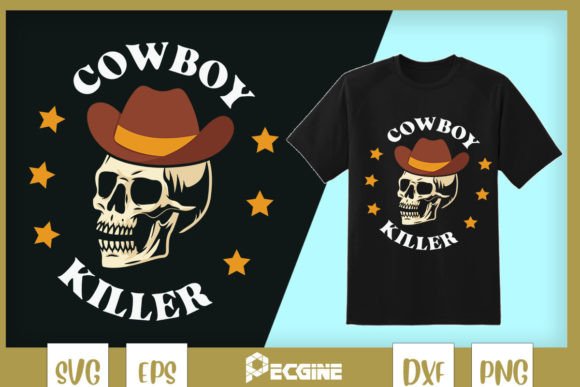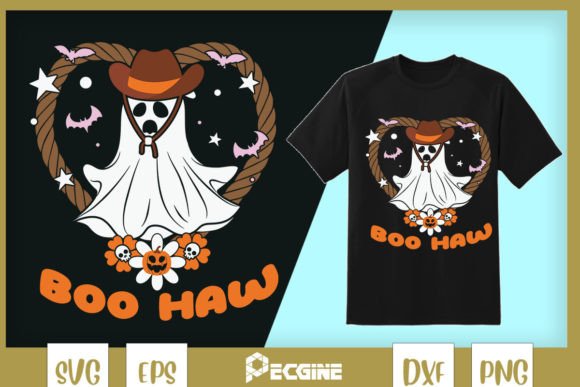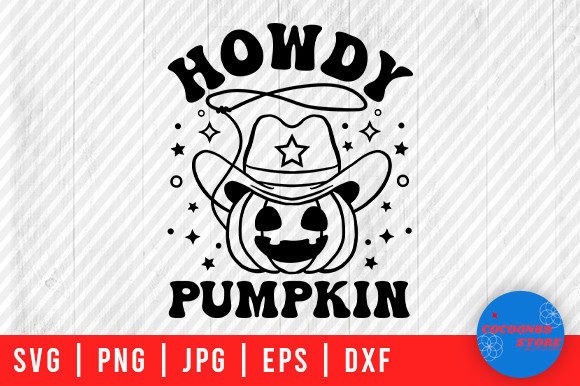
Cowboy Hat Western Halloween Embroidery Review
When I pull a new design file into my hoop, I am not just looking at pixels; I am visualizing the final stitched product. For an embroidery designer or a small business owner, every digitized asset needs to pass the practicality test before it ever touches fabric. Today, I am evaluating the Cowboy Hat Western Halloween design to see if it holds up in real-world application. This is not just about whether it looks cute on a screen—it is about how it performs during stitching, how it sits on a garment, and whether it will resonate with customers buying handmade goods.
First Impressions: Mood and Visual Personality
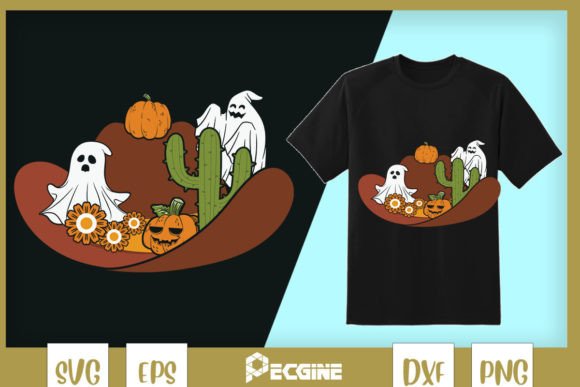
The moment you open the Cowboy Hat Western Halloween file, the theme is unmistakable. It captures that specific intersection of rustic Americana and spooky fun that defines autumn crafting seasons. As a professional reviewer, I look for clarity in shape and intent. The silhouette of the cowboy hat is bold, providing a strong anchor for the design. This is crucial because busy backgrounds can easily swallow up intricate details if the primary shapes are not confident enough.
The mood created here is playful yet grounded. It avoids being overly childish while still maintaining a festive edge. This balance makes it versatile. It feels like a design that belongs in a boutique setting rather than a mass-produced discount bin. The visual personality suggests a brand that values tradition but embraces seasonal trends. For Etsy sellers and craft fair vendors, this kind of clear thematic communication is essential. Buyers scroll quickly; they need to understand what they are looking at in less than a second. This design delivers that message instantly.
Real-World Application: Where Does It Fit?
I often imagine a finished product before I even start digitizing or testing. In this case, I picture a custom embroidered tote bag made of sturdy canvas. The Cowboy Hat Western Halloween design would sit perfectly centered on such a bag, offering a rugged aesthetic that complements the material. Alternatively, consider a heavyweight sweatshirt for a fall festival. The western theme pairs naturally with denim jackets, flannel shirts, and cozy knits.
For those running a craft business, this design opens up several revenue streams:
- Personalized Gifts: Imagine adding a name above the hat for a child’s first Halloween costume accessory or a personalized apron for a baking enthusiast.
- Holiday Merchandise: Tea towels, pillow covers, and kitchen towels become instant best-sellers when decorated with seasonal motifs like this.
- Boutique Branding: Small shops selling western-themed apparel can use this as a signature item for October sales.
The versatility extends beyond clothing. Think about embroidered patches for backpacks or jean bags. The clean lines of the cowboy hat translate well to patch work, provided the backing is chosen correctly. It also works beautifully as a tote bag design, where the graphic serves as the main focal point without overwhelming the utility of the item.
Performance on Fabric: Clarity and Texture
One of the biggest challenges in machine embroidery is ensuring that digital concepts survive the transition to thread. When evaluating Cowboy Hat Western Halloween, I pay close attention to how the shapes hold up under tension. A western hat typically involves curved brims and structured crowns. If the stitch density is too high, the fabric may pucker. If it is too low, the background may show through.
I recommend testing this design on various fabric textures. It will likely perform best on stable fabrics like cotton twill, denim, or felt. These materials provide the necessary support for the stitches to lay flat and sharp. On stretchy knits, extra caution is needed. Without proper stabilizer, the curves of the hat might distort, losing that crisp western look. Similarly, on thin fabrics, the weight of the embroidery could cause sagging over time, affecting the durability of the finished product.
Color contrast is another critical factor. The design relies on distinct shapes to read clearly. If you choose thread colors that blend too much with the fabric, the western theme gets lost. High contrast—such as white or bright orange thread on dark navy or black fabric—will make the embroidery project pop. This is especially important for holiday embroidery, where visibility and festive appeal drive sales.
Technical Considerations for Stitch Quality
Before committing to a full production run, always inspect the small details. Look at how the satin stitch handles the edges of the hat. Are there any awkward jumps or unnecessary trimmings? Check the fill stitch areas for uniformity. A consistent stitch direction adds a professional touch that discerning buyers notice. If the design includes any text or tiny decorative accents, ensure they are large enough to be legible after stitching. Tiny details often get muddled in small hoop sizes, so scale matters.
Another practical tip is to view the design in black and white mockups. This helps you assess the value range—the difference between light and dark threads. Good design assets have strong value contrast, which ensures readability regardless of the specific color palette you choose. This step is invaluable for maintaining brand consistency across different product lines.
Strategic Use Cases and Commercial Viability
For commercial embroidery projects, timing is everything. The Cowboy Hat Western Halloween design has a limited window of peak relevance, primarily in September and October. However, its western theme gives it a slight longevity beyond pure Halloween decor. It can bridge the gap into fall harvest festivals and country-themed events.
When listing this as a small shop product, focus on the emotional connection. Customers buy handmade items for the story and the feeling. Highlight how this design brings a touch of rustic charm to their holiday preparations. Use printable mockups to show the design on actual products like baby onesies, adult hoodies, and home decor items. Visual proof of quality builds customer trust and increases conversion rates.
Consider bundling this with other western or autumn-themed designs to create collections. This strategy encourages larger orders and positions your shop as a curator of cohesive styles. Whether you are selling the digital files themselves or the physical handmade products, presenting them as part of a themed set adds perceived value.
Final Verdict and Designer Notes
The Cowboy Hat Western Halloween design is a solid addition to any embroidery file library aimed at the seasonal market. It offers a clear, recognizable theme that appeals to a broad audience of crafters and consumers. Its strength lies in its simplicity and boldness, making it forgiving for both beginners and experienced embroiderers.
To ensure success, follow these practical steps:
- Test on Scrap: Always run a test stitch on the exact fabric and stabilizer combination you plan to use.
- Check Licensing: Confirm whether the purchase allows for commercial use of the finished items before listing them for sale.
- Optimize Thread Choices: Select colors that enhance the western and Halloween themes without clashing.
- Maintain Quality Control: Inspect every finished piece for loose threads, puckering, or misaligned centers.
If you are an apparel decorator or creative entrepreneur looking to capitalize on the fall season, this design provides a reliable foundation. It balances aesthetic appeal with technical feasibility, making it a smart choice for your next embroidery project. Just remember to respect the limitations of your equipment and materials, and let the quality of your execution speak for itself.