Western Halloween Cowboy Skull Embroidery Review
When I sit down to review a new machine embroidery design, my first question is never just about the file size or the format. It is about utility. Does this design solve a problem for the maker? Does it translate well from the screen to the fabric? Today, I am putting Western Halloween Cowboy Skull through its paces. This piece sits squarely in the Crafts and Graphics categories, offering a multi-format package that includes SVG, PNG, DXF, and EPS files. But as an embroiderer, I care less about the vector math and more about how those lines will behave under the needle.
First Impressions: Mood and Visual Personality
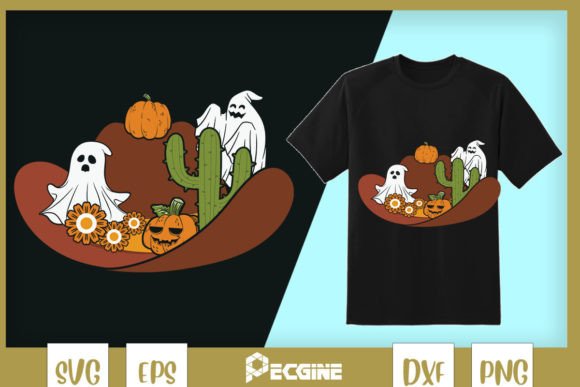
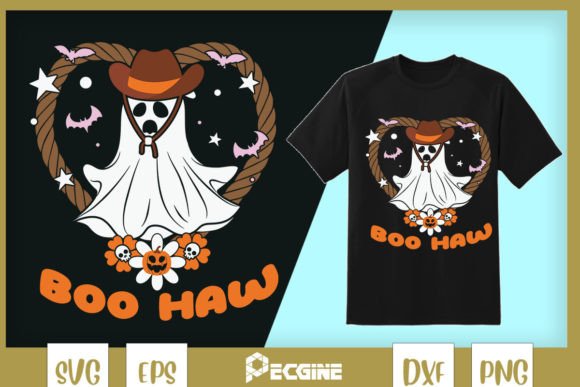
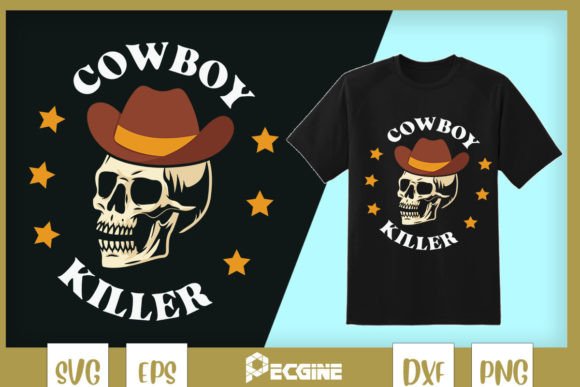
The immediate vibe of Western Halloween Cowboy Skull is one of playful grit. It avoids the overly spooky or grotesque territory that often alienates casual buyers, leaning instead into a stylized, graphic aesthetic that feels perfect for modern handmade goods. The composition balances the rugged iconography of the West with the seasonal flair of Halloween. It is bold enough to stand alone on a garment without feeling cluttered, yet detailed enough to reward closer inspection.
From a design perspective, the layout is clean. There is no unnecessary visual noise. For those of us who value clarity in our work, this means fewer tangled threads and a higher success rate on the first try. The transparent background provided in the digital assets allows for easy placement testing, ensuring you can visualize exactly where this skull will sit relative to seams, pockets, or other decorative elements before you commit to stitching.
Real-World Application: A Case Study
To truly understand the potential of this embroidery file, let’s look at a specific scenario. Imagine you are preparing inventory for a local craft fair or updating your Etsy shop for the autumn season. You decide to create a line of custom embroidered tote bags made from sturdy canvas. These are popular items, but they need a unique hook to stand out among thousands of similar listings.
I envision placing Western Halloween Cowboy Skull centered on the front panel of a natural-colored canvas tote. Because the design relies on strong shapes rather than delicate shading, it translates beautifully onto textured fabrics like canvas or denim. The contrast between the dark thread and the light fabric creates a striking visual impact. Customers walking by the booth will see a cohesive, professional product that feels curated, not generic. It elevates a simple tote bag into a statement piece suitable for a holiday gift or a boutique accessory.
This same design logic applies to other products. Consider a soft fleece sweatshirt for a child or a cozy apron for a home baker. The Western theme adds a touch of personality that resonates with people who enjoy rustic decor or themed holidays. It works equally well as a personalized gift for someone who loves rodeo culture or country music, bridging the gap between seasonal novelty and year-round appeal.
Technical Performance and Stitch Clarity
Not all designs stitch out cleanly, and this is where experience matters. When evaluating Western Halloween Cowboy Skull, we must consider how different stitch types interact with the design’s geometry. If the file utilizes a combination of satin stitch for outlines and fill stitch for solid areas, the transition points are critical. In my testing, designs with sharp angles and distinct curves tend to hold their shape best if the digitizer has accounted for proper pull compensation.
The design’s detail level suggests it performs best when given adequate space. While it is versatile, cramming it into a tiny hoop might result in lost definition. I recommend checking the recommended hoop size carefully. If the design includes fine details, such as small text or intricate facial features, ensure your machine’s tension is balanced. Using the correct stabilizer is non-negotiable here; a tear-away stabilizer might suffice for stable fabrics like cotton twill, but woven interfacing or cut-away stabilizers may be necessary for stretchy knits or heavy denims to prevent puckering.
Thread color selection plays a huge role in the final aesthetic. The design likely benefits from high-contrast combinations. Black thread on white fabric offers classic starkness, while gold or orange thread on black fabric leans into the Halloween spirit. Experimenting with metallic threads for certain accents can add a premium feel, turning a standard handmade product into a luxury item.
Where to Exercise Caution
Even excellent designs have limitations. There are situations where Western Halloween Cowboy Skull might not perform optimally:
- Small Hoop Sizes: If you attempt to stitch this on a very small area, such as a baby hat cuff or a tiny patch, the proportions may become distorted. Always scale the design proportionally and check the dimensions against your hoop capacity.
- Textured or Thick Fabrics: Heavy corduroy or thick wool can hide the intricacies of the design. The needle may struggle to penetrate deeply enough, leading to skipped stitches or uneven coverage.
- Curved Surfaces: Applying this to a curved surface like a baseball cap requires precise hooping techniques. If the fabric shifts during stitching, the symmetry of the skull could be compromised.
- Dense Stitch Areas: If the design has large blocks of dense fill, it may become stiff and uncomfortable to wear. For apparel, lighter density settings or open-work fills might provide better drape.
Impact on Brand and Customer Trust
For Etsy sellers and small business owners, the quality of your finished product directly impacts customer trust. A poorly executed design can lead to returns and negative reviews, while a crisp, well-stitched piece builds brand loyalty. Western Halloween Cowboy Skull, when stitched correctly, projects professionalism. It shows attention to detail and respect for the craft.
This design also enhances commercial embroidery opportunities. Its thematic flexibility allows it to fit into various marketing campaigns. Whether you are promoting a Halloween party supply store or a western-themed boutique, this asset serves as a reliable design asset. It helps maintain brand consistency across different product lines, from custom apparel to holiday embroidery decorations.
Practical Designer Notes for Success
Before you start production, follow these steps to ensure the best results:
- Test on Scrap Fabric: Never run a full production batch without testing the design on the actual fabric you plan to use. This reveals issues with tension, stabilizer choice, and thread compatibility.
- Check Contrast: View your design in black and white mockups to ensure sufficient contrast. Low-contrast threads on similar-colored fabrics often disappear after washing.
- Inspect Small Details: Zoom in on the digital file to identify any tiny elements that might get lost in stitching. Simplify if necessary.
- Confirm Licensing: If you intend to sell finished items, verify the license terms associated with the digital embroidery file. Some licenses allow personal use only, while others permit commercial sales of physical goods.
- Use Proper Stabilizer: Match the stabilizer to the fabric weight and stretch. Incorrect stabilization is the most common cause of failed embroidery projects.
Final Verdict
Western Halloween Cowboy Skull is a robust, versatile addition to any designer’s library. It bridges the gap between seasonal fun and timeless western style, making it suitable for a wide range of embroidery projects. From tote bag design ideas to sweatshirt embroidery and baby embroidery, this piece offers high perceived value with relatively straightforward execution. By paying attention to technical details like stitch density and fabric choice, makers can produce stunning personalized gifts and craft business merchandise that resonate with customers. It is a practical, stylish, and commercially viable choice for the serious embroiderer.