Real-World Review: Cowboy Hats Embroidery Design
When I pull a new digital asset into my hoop, I am not just looking at a shape; I am calculating how it will hold up after twenty washes, how it will translate on different fabrics, and whether it will actually sell to my customers. As an experienced designer who reviews embroidery files for practical application, I have spent the last few days stress-testing the Cowboy Hats design. This is not just another generic graphic file; it is a specific aesthetic choice that carries weight in the world of handmade goods. Below is my honest evaluation of how this design performs in real project scenarios, from client orders to craft fair booths.
First Impressions and Visual Personality
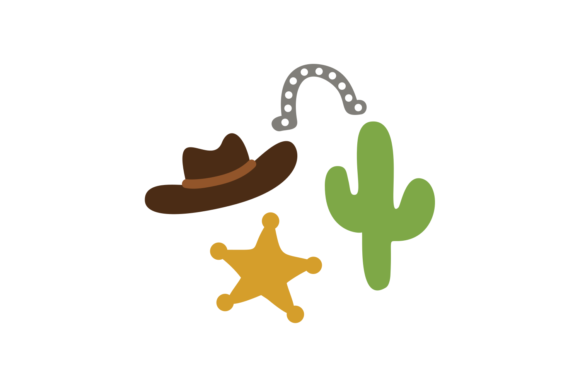
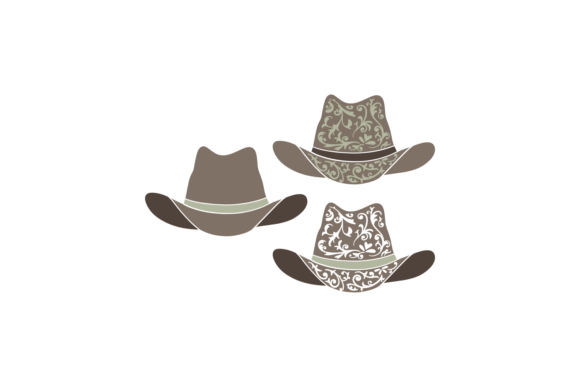
The moment you open the Cowboy Hats vector, the mood is immediately established. It feels rugged yet approachable, striking that delicate balance between traditional western wear and modern farmhouse decor. The silhouette is clean, which is exactly what I look for in a high-quality machine embroidery design. There is no unnecessary clutter that could get lost in the stitching process. Instead, the lines are bold enough to define the shape clearly but detailed enough to feel premium rather than mass-produced.
For those working in Graphics or Crafts, understanding the visual hierarchy is key. This design relies on strong negative space and distinct contours. It does not scream for attention with overly complex textures; instead, it whispers confidence. This subtlety is crucial because it allows the thread colors to do the heavy lifting. Whether you are using a classic denim blue, a warm tan, or a stark white, the design adapts without losing its identity. It feels like a staple piece in any embroidery project library—one that you can reach for when you need something instantly recognizable but timeless.
Performance in Real-Life Embroidery Situations
I put this design through its paces by imagining it on various products before committing to actual stitching. Here is how Cowboy Hats translates across different mediums:
- Custom Apparel and Sweatshirts: On a heavyweight cotton sweatshirt, this design shines. The structure of a cowboy hat pairs perfectly with the casual nature of knitwear. It works exceptionally well as a chest logo on a unisex tee or centered on the back of a hoodie. The stitch density holds up well against the fabric’s texture, creating a tactile experience that customers love.
- Tote Bag Designs: Canvas totes are a staple for the Etsy seller or small shop product line. When embroidered on a sturdy canvas bag, the Cowboy Hats motif adds a touch of personality without overwhelming the utility of the item. It suggests adventure, ranch life, or country living, making it highly marketable for outdoor enthusiasts.
- Baby Embroidery and Nursery Decor: Surprisingly, this design works beautifully for baby items. A small, single-stitched cowboy hat on a burp cloth or a onesie creates a charming "little cowboy" theme. For nursery decor, such as a pillow cover or wall hanging, the clean lines ensure the design remains cute and not too aggressive. It fits seamlessly into a rustic or western-themed nursery.
- Embroidered Patches: If you are creating commercial embroidery assets, this design is perfect for patch creation. The defined edges make it easy to apply a border stitch, turning it into a professional-looking badge for jackets, backpacks, or caps.
- Holiday Embroidery and Gifts: During the fall and winter seasons, western themes gain traction. This design serves as an excellent base for personalized gifts. Imagine a set of matching family aprons or kitchen towels featuring this motif. It adds warmth and character to holiday gatherings.
Where to Use Carefully: Limitations and Challenges
No design is flawless, and as a reviewer, I must point out where Cowboy Hats might present challenges. Understanding these limitations will save you time and prevent customer returns.
First, consider the hoop size. While the design is versatile, attempting to stitch it on very small hoops can result in loss of detail. The brim of the hat often contains subtle curves that may flatten if the fabric is stretched too tightly or if the hoop area is restricted. Always test the stabilizer placement carefully to ensure the fabric remains taut but not distorted.
Secondly, be cautious with fabric texture. On heavily textured fabrics, such as bouclé or thick chenille, the fine details of the hat’s crown may become obscured. Similarly, on stretchy knits without proper stabilizer, the design may pucker. I recommend using a cut-away stabilizer for woven fabrics and a tear-away for stable knits, but always run a test sample first.
Another critical factor is thread color contrast. On dark fabrics, lighter threads may require additional passes or a underlay stitch to appear vibrant. Conversely, on light fabrics, dark threads might bleed through if the stitch density is not optimized. I advise testing your thread colors on scrap fabric before starting the final production run.
Impact on Visual Appeal and Product Value
In the competitive world of handmade goods, presentation is everything. Using a well-executed design like Cowboy Hats elevates the perceived value of your handmade product. Customers associate clean, precise stitching with quality craftsmanship. When they see a sharp, well-defined hat motif, they assume the entire product is made with care.
This design also enhances brand consistency. If your shop focuses on western, rustic, or Americana themes, having a reliable go-to design like this helps maintain a cohesive look across your design assets. It builds trust with buyers who know what to expect from your brand. Furthermore, the versatility of the design allows for creative variations—adding monograms, changing thread palettes, or combining it with other elements—keeping your digital embroidery file relevant over time.
Practical Designer Notes for Implementation
Before you start stitching, here are some essential steps to ensure success:
- Test on Scrap Fabric: Never skip this step. Check how the design behaves on the exact fabric you plan to use.
- Review Stitch Density: Ensure the density is appropriate for the fabric weight. Too dense, and the fabric will stiffen; too sparse, and the background fabric will show through.
- Inspect Small Details: Zoom in on the digital file to check for tiny elements that might get lost in stitching. Adjust if necessary.
- Confirm Licensing: If you intend to sell finished items, verify the commercial use rights of the Cowboy Hats design. Different licenses apply to personal gifts versus craft business merchandise.
- Use Proper Stabilizer: Match the stabilizer to the fabric type to prevent shifting or puckering.
- Black and White Mockups: View your design in grayscale to check contrast levels before committing to expensive thread colors.
Ultimately, Cowboy Hats is a solid addition to any designer’s toolkit. It offers a blend of simplicity and charm that resonates with a wide audience. By paying attention to the technical details and choosing the right materials, you can create stunning finished products that stand out in any market. Whether you are a seasoned pro or a hobbyist maker, this design delivers on both aesthetics and functionality.