Cowboy Elements: A Designer’s Take on Real-World Embroidery
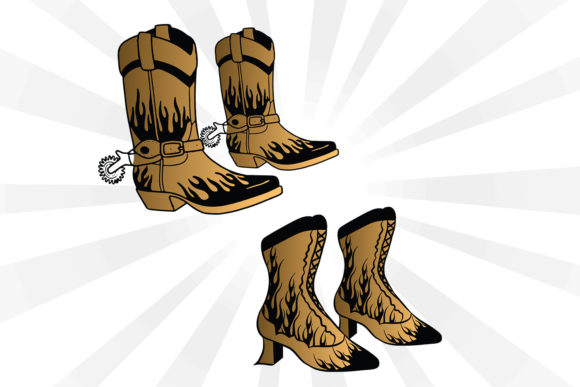
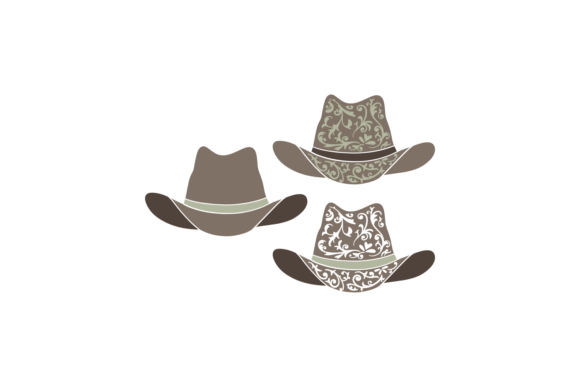
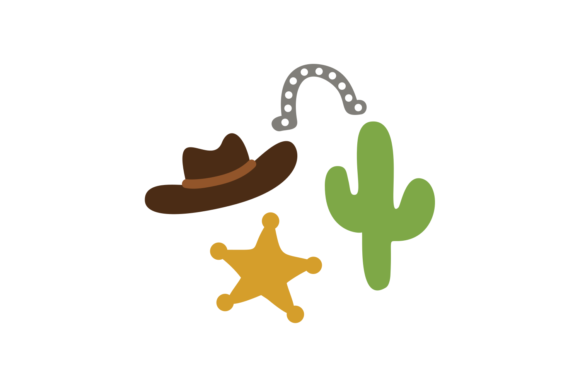
As someone who spends more time staring at stitch lines and fabric tension than sleeping, I don’t just buy designs because they look cute in a preview window. I evaluate them based on how they translate from a digital file into a tangible, wearable, or usable object. When I first pulled up Cowboy Elements, my initial reaction wasn’t about the theme itself, but about its potential utility for my current batch of custom orders. The description notes that this is an SVG vector cutting file compatible with Cricut Explore, Silhouette Cameo, Brother Scan N Cut, Sizzix eClips, Sure Cuts a Lot, and almost all cutting machines. While that versatility is great for vinyl crafters, for us in the embroidery world, it raises an interesting question: how does this graphic hold up when converted into thread?
The "Cowboy" aesthetic has seen a massive resurgence in recent years, particularly in nursery decor, western-themed weddings, and boutique children’s apparel. It strikes a balance between rugged nostalgia and soft, approachable charm. Cowboy Elements fits squarely into this trend. Visually, it feels structured yet playful. For a designer, this is crucial. If a design is too complex, it loses clarity on small items; if it’s too simple, it lacks character. This design seems to hit that sweet spot where it can stand alone as a focal point or serve as a supporting element in a larger composition.
Real-World Application: From Screen to Stitch
Let’s talk about where this design actually lives. I recently had a client request a set of matching father-child outfits for a family reunion. They wanted something that screamed "western adventure" without being cliché or overly busy. Cowboy Elements immediately came to mind. Imagine this applied to a heavyweight cotton canvas tote bag design. The bold lines of the vector would translate well into a dense fill stitch, creating a sturdy, textured look that holds up to daily use.
However, the true test of any machine embroidery design is its performance on varied surfaces. I envision Cowboy Elements shining on sweatshirt embroidery projects. The slightly relaxed fit of a hoodie allows for a bit more movement in the fabric, which helps prevent puckering around the edges of the design. Whether you are creating personalized gifts for a baby shower—think embroidered onesies or burp cloths—or crafting durable aprons for a home baker, the structural integrity of the vector shape suggests it will withstand the rigors of washing and wear.
For Etsy sellers and small shop owners, versatility is money. This design isn’t limited to one product type. It works beautifully as an embroidered patch that can be ironed or sewn onto denim jackets, adding a touch of personality to vintage finds. It also translates effectively to holiday embroidery, serving as a charming accent on tea towels or pillow covers during the autumn months. The clean lines of the graphics mean it pairs easily with other elements, allowing you to build cohesive collections rather than isolated single products.
Technical Considerations and Potential Pitfalls
While the concept is strong, no design is perfect out of the box. As an experienced reviewer, I have to highlight where Cowboy Elements might challenge your technique. The primary concern lies in scale and fabric choice. If you plan to use this on small hoop sizes, such as those required for baby socks or tiny caps, you need to be meticulous. Complex corners or fine details within the vector could become muddy if the stitch density is not adjusted correctly. Always inspect small details before committing to a production run.
Fabric texture plays a huge role here. On a smooth, high-count cotton, the satin stitch edges will look crisp and professional. However, on a heavily textured fabric like bouclé or a loose-weave linen, the definition of the design may get lost. Similarly, using this on stretchy fabrics requires a heavy-duty stabilizer to prevent distortion. If you are working on curved surfaces like baseball caps, the flat nature of the vector might require digitizing adjustments to follow the curve of the brim or crown properly.
Another area requiring caution is dark fabric. If your thread colors are not sufficiently contrasting against the background, the visual impact of Cowboy Elements will diminish significantly. I recommend testing the design in black and white mockups to ensure the silhouette remains distinct regardless of color choices. Additionally, if the design includes decorative accents or tiny lettering, verify that these elements are large enough to be stitched clearly. Tiny text often fails in real-world applications, leading to frustrated customers and returns.
Impact on Brand Value and Customer Trust
In the competitive landscape of handmade products and commercial embroidery, quality perception is everything. A well-executed Cowboy Elements project signals professionalism. When a customer receives a personalized gift or a custom apparel item where the stitches are even, the edges are clean, and the design sits perfectly centered, their trust in your brand increases. This is especially important for digital product sellers who provide design assets. Your finished product serves as the ultimate proof of concept for your buyers.
Furthermore, the thematic appeal of western motifs often evokes feelings of warmth, tradition, and authenticity. By incorporating Cowboy Elements into your craft business offerings, you tap into an emotional connection that drives engagement. Whether it’s a boutique branding effort or a standalone Etsy listing, the design adds a layer of storytelling to your merchandise. It’s not just a hat; it’s a piece of curated style. It’s not just a towel; it’s part of a home’s heritage.
Practical Designer Notes for Success
To get the most out of this design, follow these practical steps:
- Test on Scrap Fabric: Never go straight to the final product. Run a test stitch on a scrap of the same fabric type to check for puckering or thread breaks.
- Check Thread Colors: Ensure your chosen threads offer enough contrast against the fabric. Use a neutral background for your initial tests to judge the design’s shape accurately.
- Review Stitch Density: If the design feels too dense, consider reducing the fill percentage or switching some areas to running stitch to reduce bulk.
- Confirm Hoop Size: Make sure the design dimensions fit comfortably within your intended hoop size, leaving adequate margin for hooping stability.
- Inspect Small Details: Zoom in on the vector. Are there any tiny spikes or thin lines that might not stitch well? Simplify if necessary.
- Stabilizer Selection: Use the appropriate stabilizer for your fabric weight. Cut-away for knits and stretchy materials; tear-away for wovens.
- Licensing Check: Before selling finished items or distributing digital files, double-check the licensing terms associated with Cowboy Elements. Commercial rights vary, and protecting your intellectual property is vital.
Ultimately, Cowboy Elements is a versatile tool in the modern embroiderer’s arsenal. It bridges the gap between traditional crafts and contemporary digital design. By approaching it with technical precision and creative intent, you can create finished products that resonate with customers and stand the test of time. Whether you are decorating a nursery, updating a wardrobe, or launching a new line of boutique goods, this design offers a solid foundation for success.