Cowboy Disco Ball: A Designer’s Review for Real Embroidery Projects
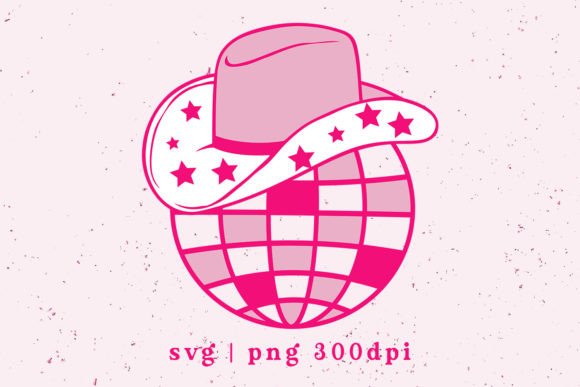
When I pull a new design file into my embroidery software, I am rarely looking at just pixels or vectors. I am visualizing the needle movement, the tension of the thread, and the final texture on the garment. Most clipart bundles are designed with screen printing or vinyl cutting in mind, which often leads to frustration when trying to translate them into machine embroidery. However, the Cowboy Disco Ball presents an interesting case study. It sits at the intersection of two very distinct aesthetics: the rugged, traditional imagery of Western wear and the vibrant, reflective chaos of 1970s disco culture. As a designer evaluating this for real-world application, I find it to be a bold choice that requires careful execution but offers high visual impact if handled correctly.
First Impressions and Visual Personality
The immediate appeal of the Cowboy Disco Ball is its inherent contrast. In the world of machine embroidery design, novelty items often struggle to balance humor with professionalism. This design avoids being purely kitschy by relying on strong geometric shapes—the facets of the disco ball—which lend themselves well to specific stitch types. The mood is playful yet energetic, suggesting a product that is meant to stand out rather than blend in. For a craft business owner, this is a significant advantage. It grabs attention in a crowded market, whether on a physical shop shelf or within a digital Etsy listing.
Visually, the layout suggests a central focal point. The disco ball acts as a mirror, reflecting light, which translates in embroidery to the use of metallic threads or highly reflective satin stitches. The cowboy element grounds the piece, providing a narrative anchor. It feels less like a generic clipart image and more like a statement piece. When I imagine this on a sweatshirt embroidery project, it reads as confident and fun. It appeals to a demographic that enjoys self-expression through clothing, making it a strong candidate for custom apparel targeting festival-goers, country music fans, or anyone who appreciates retro-futurism.
Real-World Application: From Screen to Stitch
Let’s look at how this embroidery file performs in actual production scenarios. One of the most compelling uses for the Cowboy Disco Ball is on sturdy canvas materials. I envision this design on a heavy-duty tote bag design made from natural cotton duck or denim. The weight of the fabric can support the density required to create the shiny facets of the ball without puckering. For an Etsy seller creating personalized gifts, placing this on a tote bag creates a unique gift item that bridges the gap between everyday utility and party-ready flair.
Another excellent application is on knitwear. A crewneck sweatshirt or a hooded pullover provides a soft background that contrasts nicely with the structured geometry of the disco ball. The thread colors here will make or break the design. If the base fabric is dark, using silver or holographic thread for the ball’s facets will create a stunning effect, mimicking the way a real disco ball catches light. This adds a layer of perceived value to the finished product. Customers are often willing to pay a premium for designs that appear complex and high-quality, even if the underlying digitization is straightforward.
I also see potential in home decor applications. A pillow cover featuring this motif could serve as a trendy accent piece in a bohemian or eclectic interior. Similarly, for kitchen towel designs, it offers a humorous twist on the typical farmhouse aesthetic. These items are popular among hobbyists looking for quick, high-impact projects that yield a professional-looking result.
Technical Considerations and Stitch Density
While the concept is strong, the technical execution requires precision. The disco ball’s facets are essentially small geometric shapes. To make them look reflective, you might be tempted to use a dense fill stitch or overlapping satin stitch segments. However, high stitch density can lead to stiffness in the fabric, which is undesirable for wearable items like t-shirts or baby clothes. Therefore, reviewing the stitch density of the provided files is crucial. If the design allows for lighter coverage with strategic placement of metallic threads, it will drape much better.
The cowboy component likely involves curved lines and possibly text elements. Curves in embroidery require careful underlay stitching to prevent distortion. If the Cowboy Disco Ball includes any lettering, such as "Disco" or "Western," check the kerning and font thickness. Tiny lettering on a curved surface like a cap brim can become illegible after washing. For best results, ensure the text has sufficient stroke width and that the hoop size used during digitization matches your intended production hoop to avoid scaling issues.
Where to Exercise Caution
No design is universally perfect, and the Cowboy Disco Ball has specific limitations that designers must respect. First, avoid using this on thin or stretchy fabrics like lightweight jersey or silk unless you are using a high-quality cut-away stabilizer. The weight of the thread and the complexity of the shape can cause the fabric to pucker or warp over time. Second, be cautious with small hoop sizes. Trying to cram a detailed disco ball into a 4x4 inch hoop may result in loss of detail, particularly in the smaller facets of the ball. Clarity suffers when details are too close together.
Textured fabrics, such as fleece or bouclé, are also challenging. The uneven surface can obscure the fine details of the embroidery, making the reflection effect look muddy rather than sharp. Additionally, consider the end-user’s maintenance habits. If the finished product is a personalized gift intended for frequent washing, ensure that the thread colors chosen are colorfast. Metallic threads, while visually appealing, can sometimes tarnish or lose their sheen after many wash cycles. Advising customers on proper care instructions is part of maintaining brand trust.
Commercial Viability and Brand Consistency
For those selling small shop products, the Cowboy Disco Ball offers versatility across seasons. It works exceptionally well for holiday gifts around New Year’s Eve or summer festivals. Its broad appeal means it can fit into various niches, from country-western fashion to general retro pop culture. This flexibility is valuable for creative entrepreneurs who want to rotate inventory without committing to overly narrow themes. However, maintain brand consistency by pairing this design with complementary graphics. Avoid cluttering the product with too many competing elements; let the Cowboy Disco Ball be the star.
Before committing to large production runs, always test the design on scrap fabric. Check the thread color contrast against your target material. Inspect small details under good lighting to ensure no gaps exist in the satin stitches. Use black and white mockups to verify that the design retains its shape and readability even without color cues. Confirming these details ensures that your handmade product meets professional standards.
Final Verdict
The Cowboy Disco Ball is more than just a novelty graphic; it is a versatile asset for designers who understand how to translate digital concepts into tactile experiences. Its success lies in the thoughtful selection of materials, threads, and stitch types. When executed well, it transforms a simple embroidery project into a memorable finished product that resonates with customers. For the experienced maker, it offers a chance to showcase skill in handling reflective textures and complex geometries. For the beginner, it serves as an engaging challenge that yields impressive results. By respecting its technical requirements and leveraging its bold aesthetic, you can create standout pieces that drive engagement and sales in the competitive handmade market.